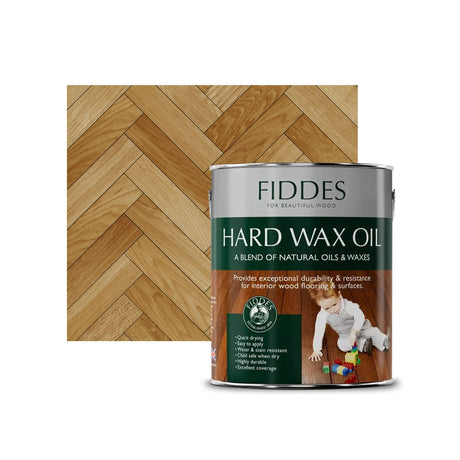
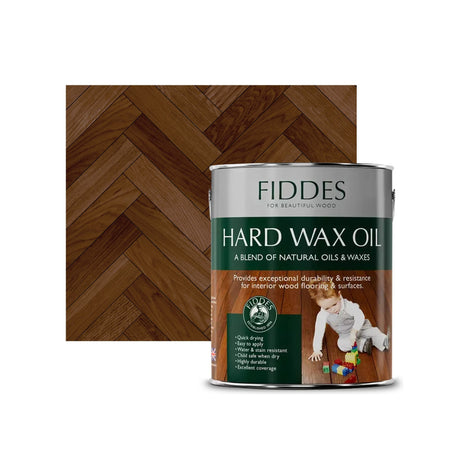
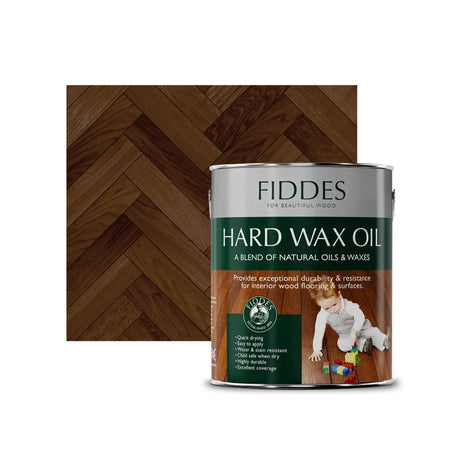
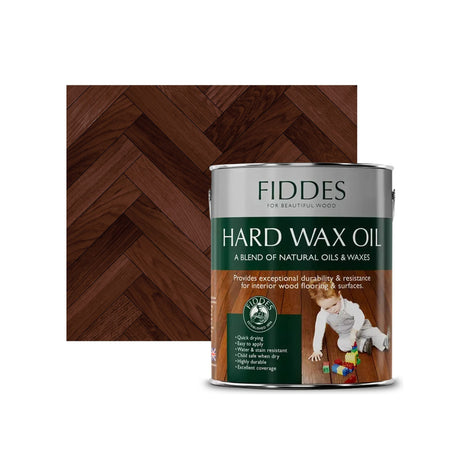
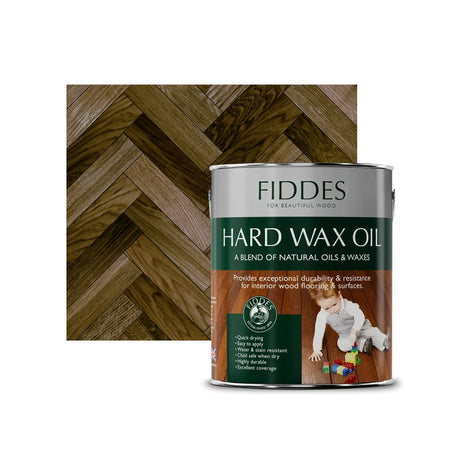
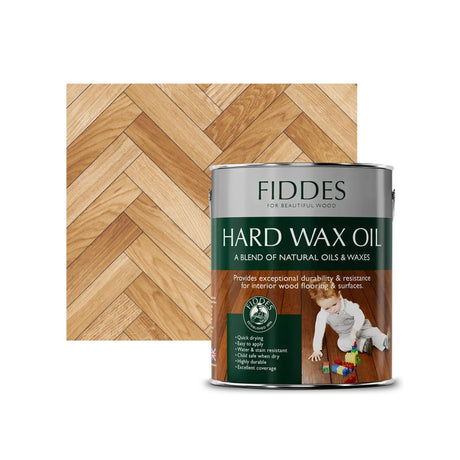
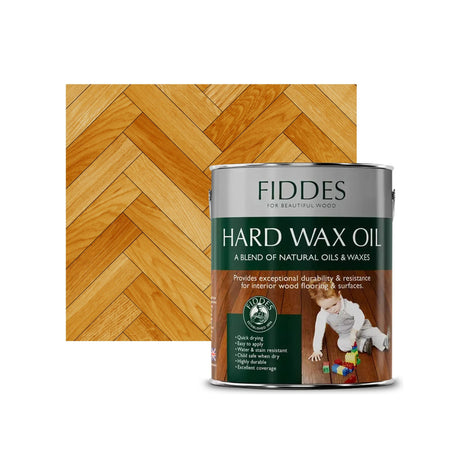
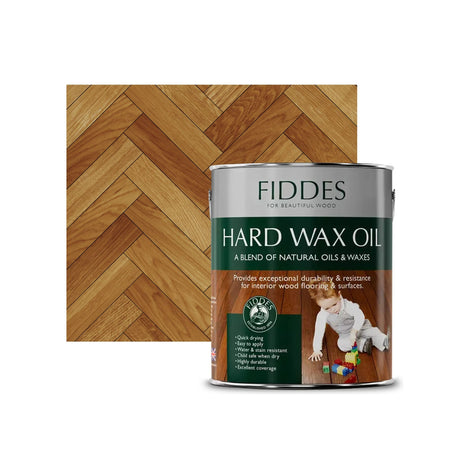
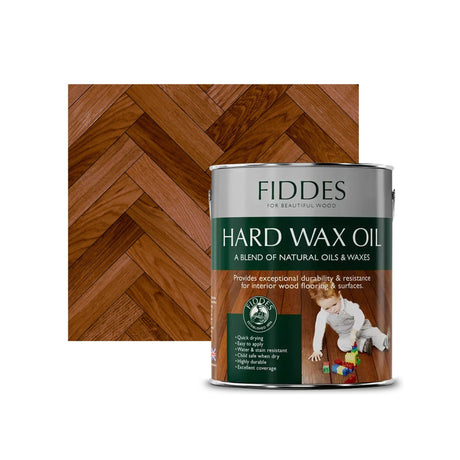
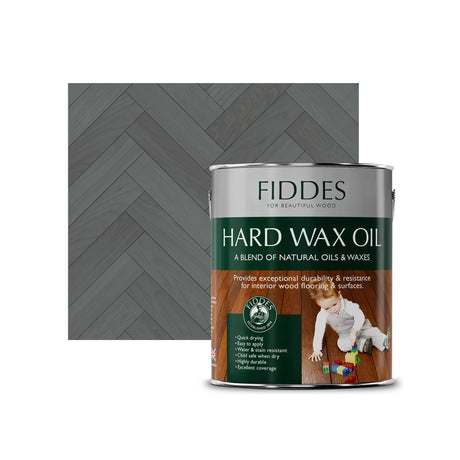
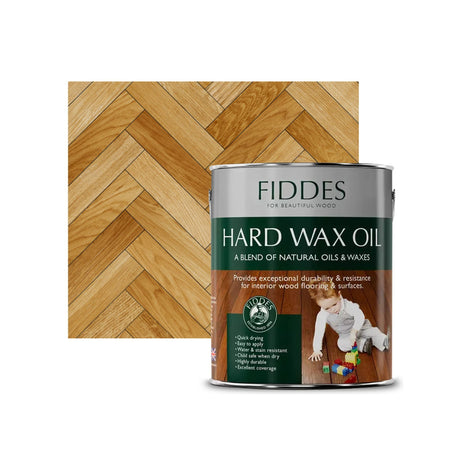
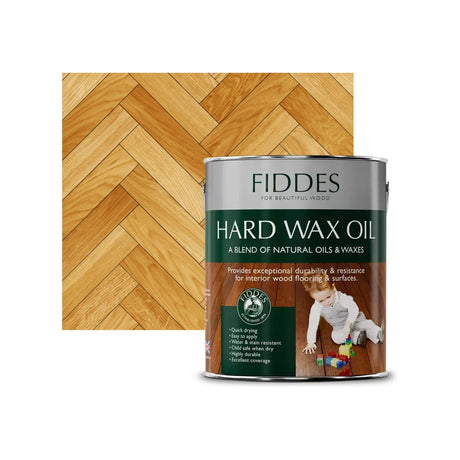
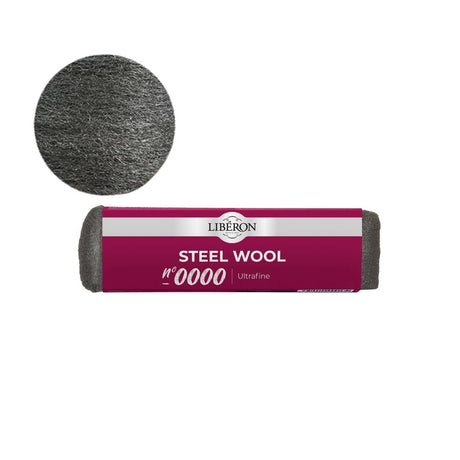
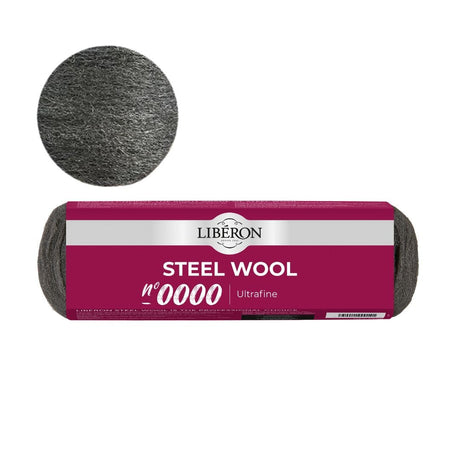
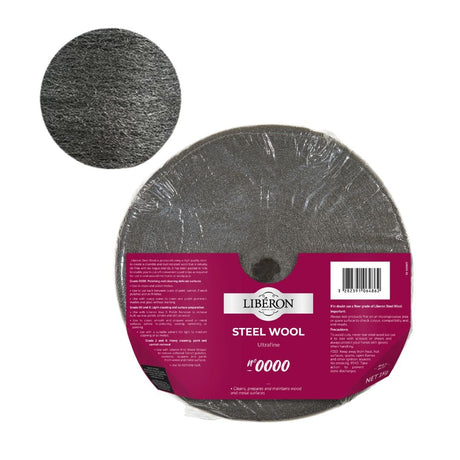
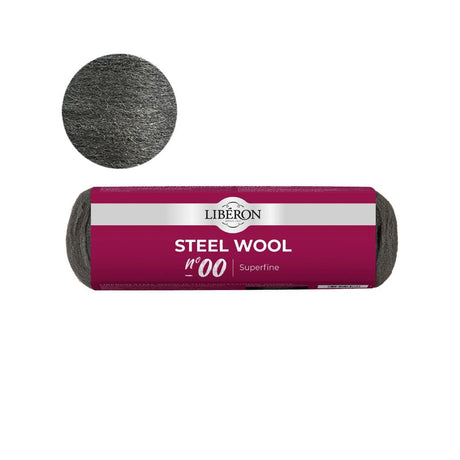
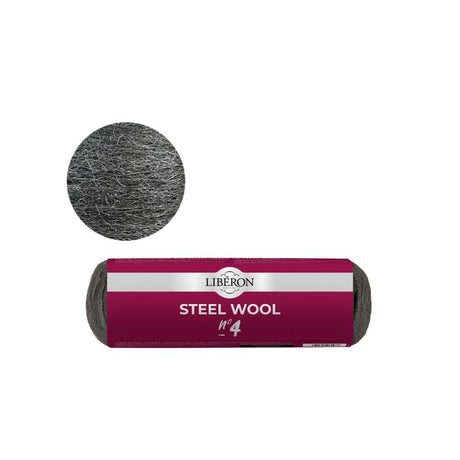
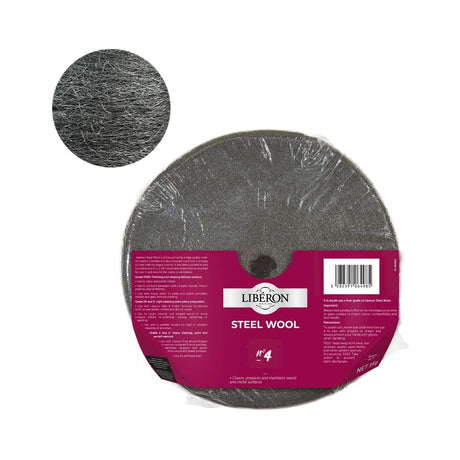
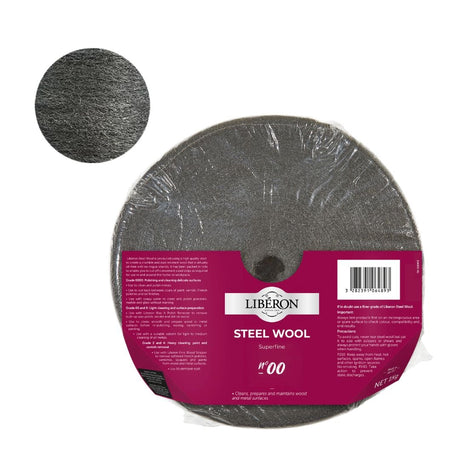
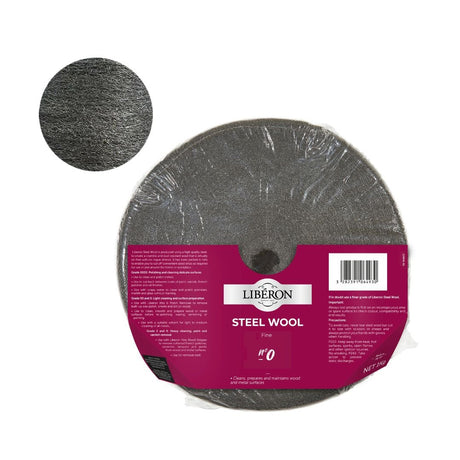
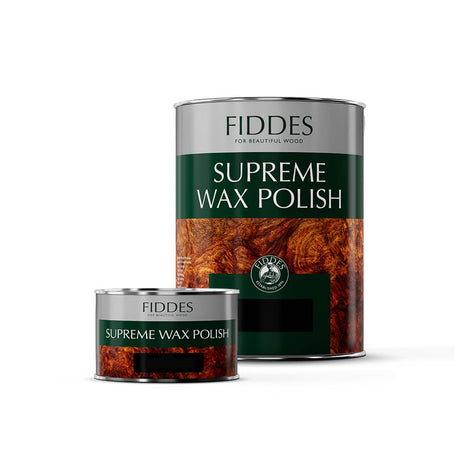
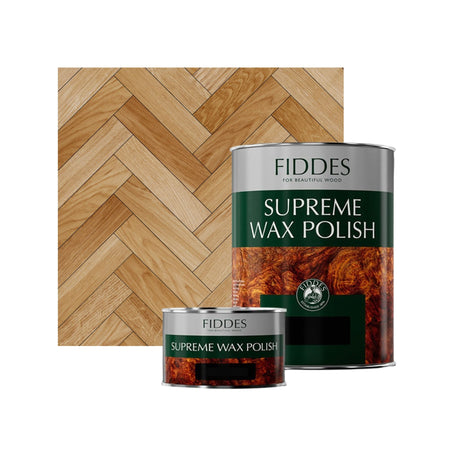
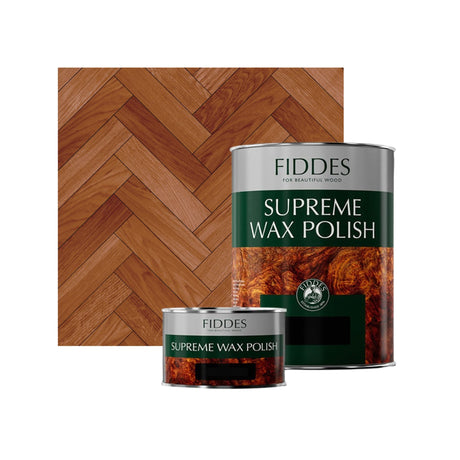
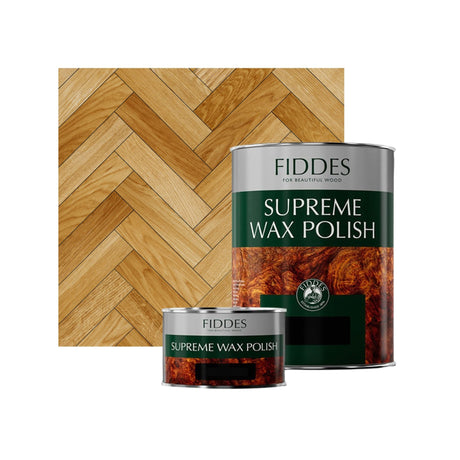
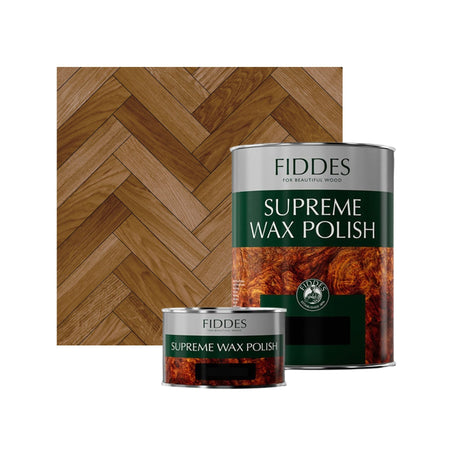
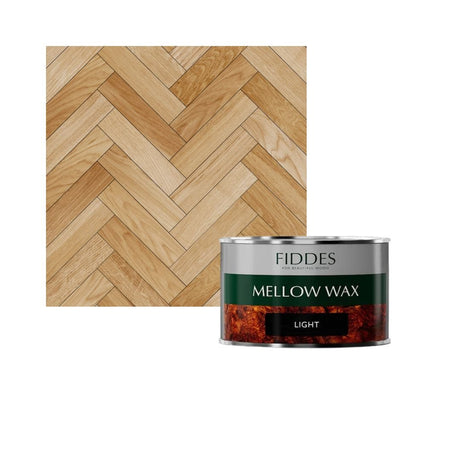
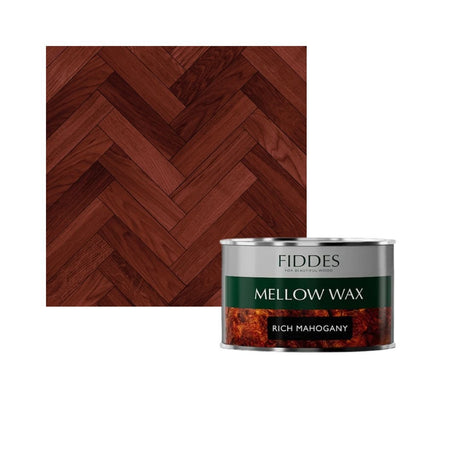
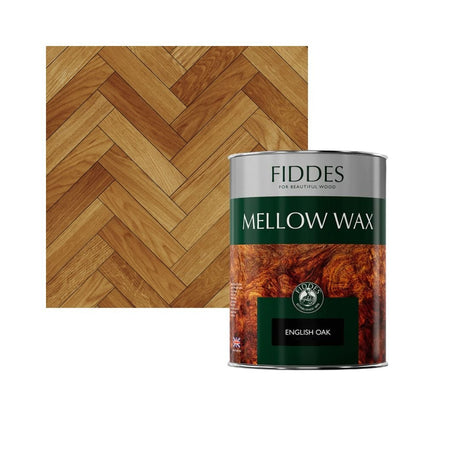
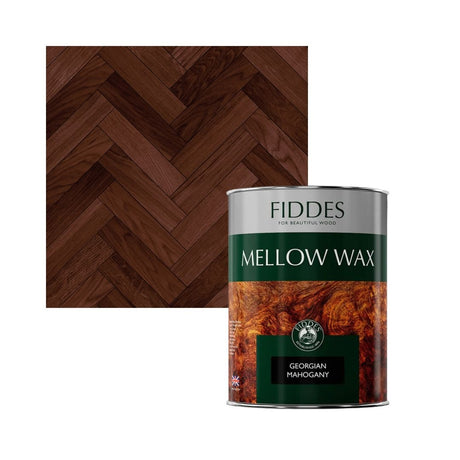
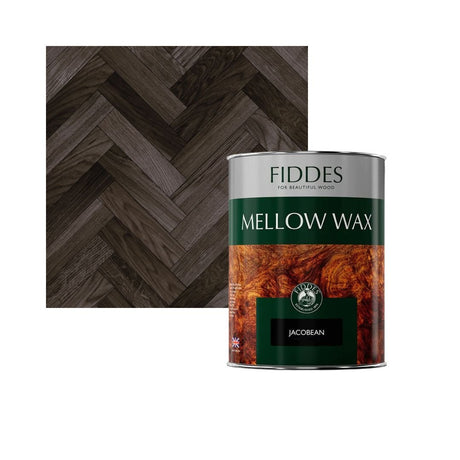
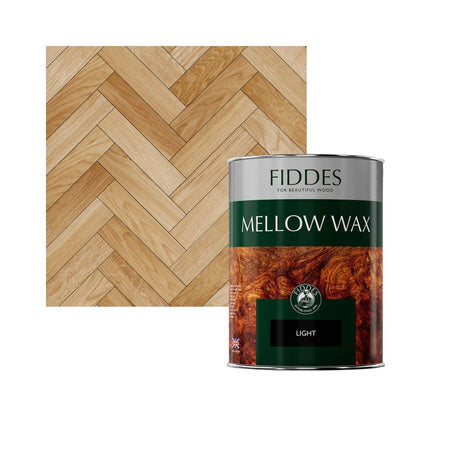
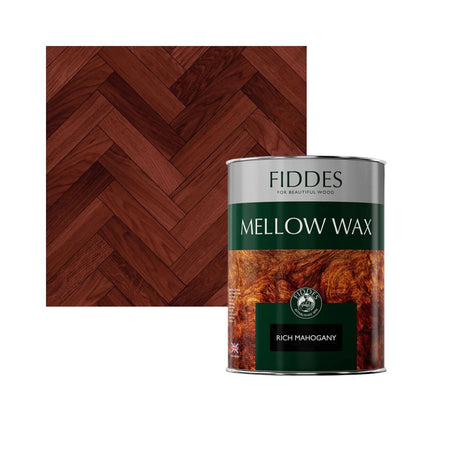
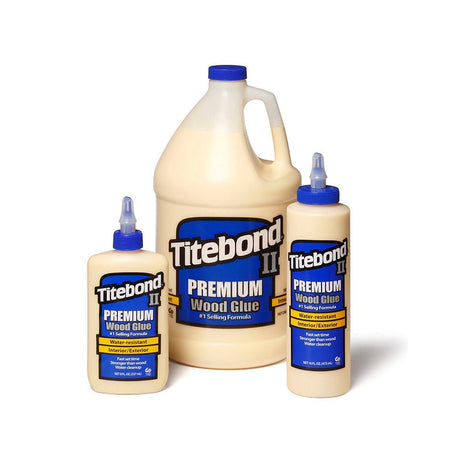
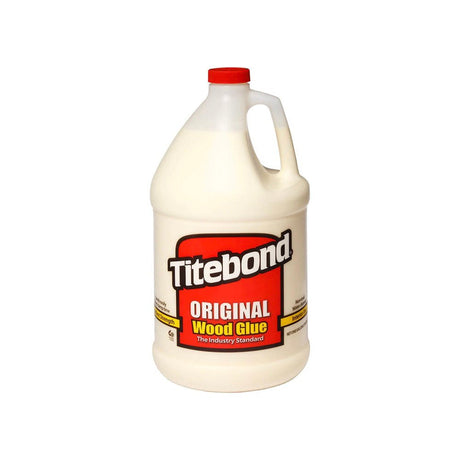
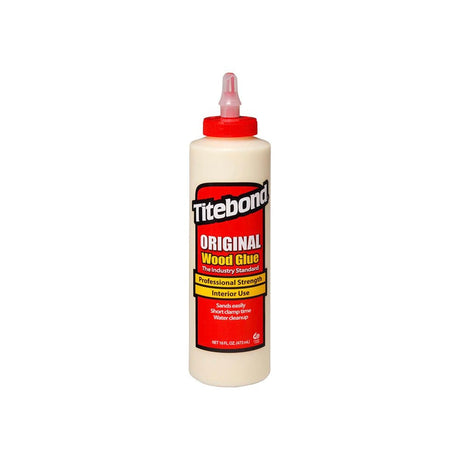
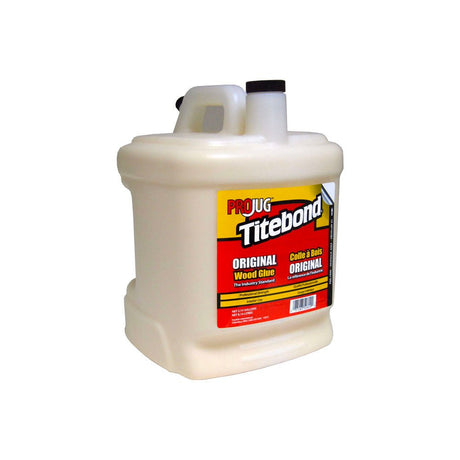
A newly upholstered piece can still fall short if the frame is tired, damaged, or poorly finished, so this collection brings together the products needed to complete the wooden work alongside the upholstery. From removing old finishes and repairing damage to reviving, colouring, and protecting the wood, these products help return the whole piece to a finished standard.

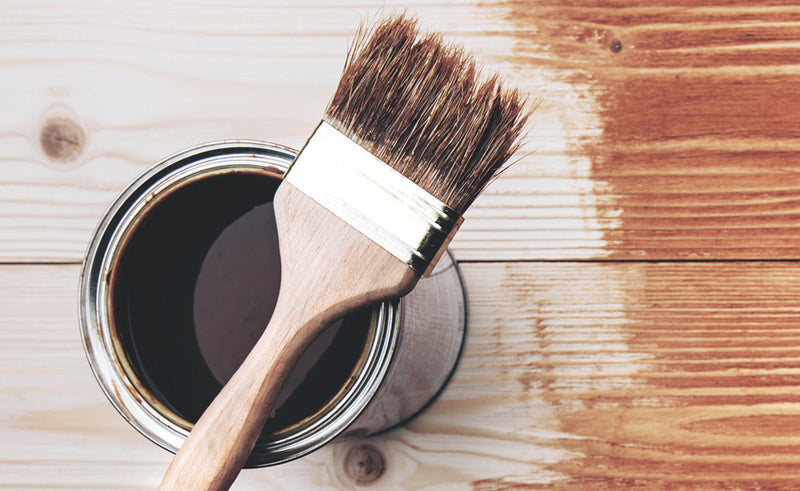





Mirka Abranet 150mm Sanding Discs (Box of 50)
£38.01 £31.68 ex vatUnit price Translation missing: en.products.product.price.unit_price_separatorUnavailable-
- +10From£1.61 £1.34 ex vatUnit price Translation missing: en.products.product.price.unit_price_separatorUnavailable
-
Mirka Abranet Ace Sanding Disc 150mm (Box of 50)
£40.74 £33.95 ex vatUnit price Translation missing: en.products.product.price.unit_price_separatorUnavailable-
- From£3.35 £2.79 ex vatUnit price Translation missing: en.products.product.price.unit_price_separatorUnavailable
-
Mirka Abranet 125mm Sanding Discs (Box of 50)
£34.13 £28.44 ex vatUnit price Translation missing: en.products.product.price.unit_price_separatorUnavailable-
- From£2.25 £1.88 ex vatUnit price Translation missing: en.products.product.price.unit_price_separatorUnavailable
-
Mirka Abranet Ace HD Heavy Duty Sanding Discs (Box of 25)
From£24.55 £20.46 ex vatUnit price Translation missing: en.products.product.price.unit_price_separatorUnavailable-
- From£8.63 £7.19 ex vatUnit price Translation missing: en.products.product.price.unit_price_separatorUnavailable
-
Mirka Abranet 81 x 133mm Sanding Strips (Box of 50)
£24.95 £20.79 ex vatUnit price Translation missing: en.products.product.price.unit_price_separatorUnavailable-
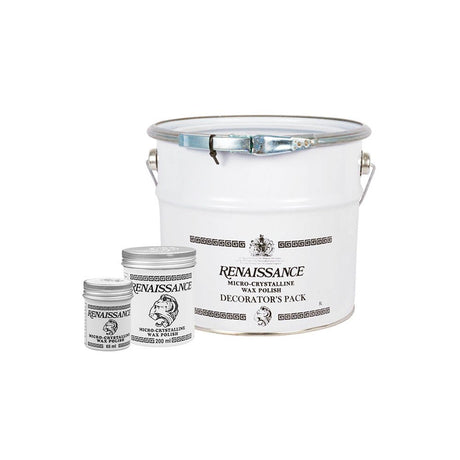
Renaissance Wax Micro Crystalline Wax Polish
From£10.97 £9.14 ex vatUnit price Translation missing: en.products.product.price.unit_price_separatorUnavailable-
- From£12.34 £10.28 ex vatUnit price Translation missing: en.products.product.price.unit_price_separatorUnavailable
-

Mirka DEROS / PROS Backing Pad 150mm 5/16" 48H
From£41.95 £34.96 ex vatUnit price Translation missing: en.products.product.price.unit_price_separatorUnavailableMirka Profile Foam 25mm Interface 81 x 133mm
£15.87 £13.23 ex vatUnit price Translation missing: en.products.product.price.unit_price_separatorUnavailable-
Liberon Palette Water Based Wood Dye
+6From£7.26 £6.05 ex vatUnit price Translation missing: en.products.product.price.unit_price_separatorUnavailable-

Mirka Pad Saver 150mm 67H (Pack of 5)
£26.73 £22.28 ex vatUnit price Translation missing: en.products.product.price.unit_price_separatorUnavailable- +1From£7.21 £6.01 ex vatUnit price Translation missing: en.products.product.price.unit_price_separatorUnavailable
-
Mirka Abranet Ace 81 x 133mm Sanding Strips (Box of 50)
£28.30 £23.58 ex vatUnit price Translation missing: en.products.product.price.unit_price_separatorUnavailable-
Mirka Goldflex Soft 115 x 125mm 25m Abrasive Roll
£38.48 £32.07 ex vatUnit price Translation missing: en.products.product.price.unit_price_separatorUnavailable-
- Sold out
Mirka Caratflex Abrasive Sandpaper Roll
From£8.07 £6.73 ex vatUnit price Translation missing: en.products.product.price.unit_price_separatorUnavailable -
Marshall Wood Care Natural Blend Brush
From£1.71 £1.43 ex vatUnit price Translation missing: en.products.product.price.unit_price_separatorUnavailable-

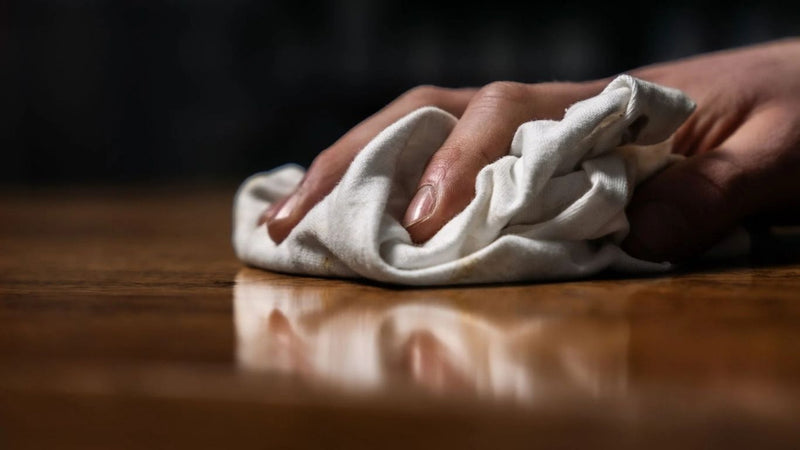
Restorate Cotton Stockinette Mutton Cloth
From£5.15 £4.29 ex vatUnit price Translation missing: en.products.product.price.unit_price_separatorUnavailableWest System Epoxy Resin & Hardener
From£34.17 £28.48 ex vatUnit price Translation missing: en.products.product.price.unit_price_separatorUnavailable-
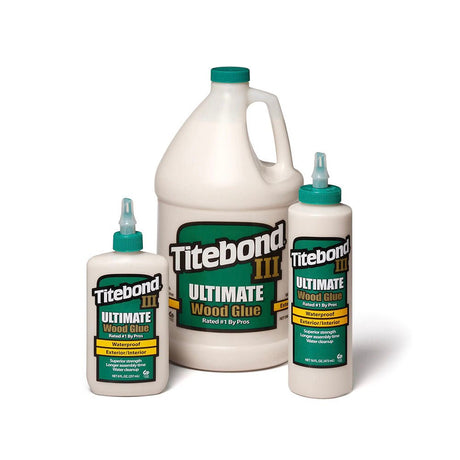
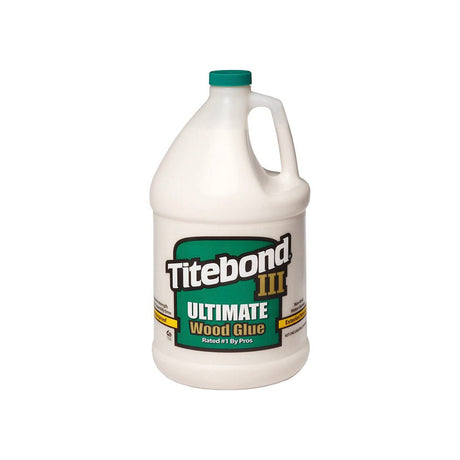
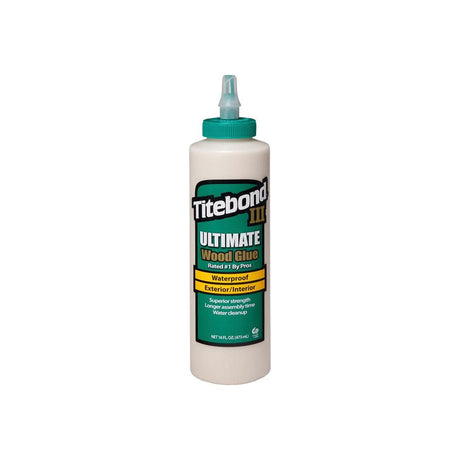
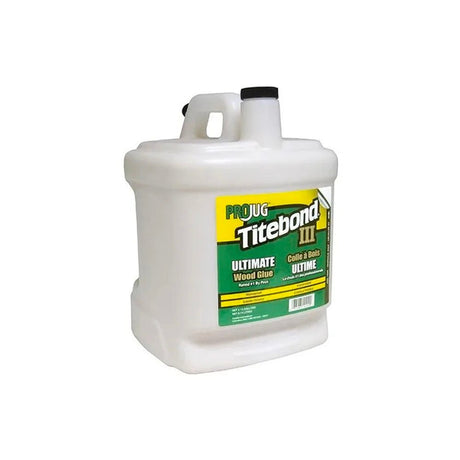
Titebond III Ultimate Wood Glue
From£16.05 £13.38 ex vatUnit price Translation missing: en.products.product.price.unit_price_separatorUnavailable-
- From£6.97 £5.81 ex vatUnit price Translation missing: en.products.product.price.unit_price_separatorUnavailable
-
Mirka Abranet Delta 152mm Sanding Pads (Box of 50)
From£46.15 £38.46 ex vatUnit price Translation missing: en.products.product.price.unit_price_separatorUnavailable-
Mirka Abranet 70 x 125mm Sanding Strips (Box of 50)
£24.56 £20.47 ex vatUnit price Translation missing: en.products.product.price.unit_price_separatorUnavailable-

Mirka Interface Pad 81 x 133mm 54 Holes 7mm Grip
From£10.34 £8.62 ex vatUnit price Translation missing: en.products.product.price.unit_price_separatorUnavailable
Restorate Natural Hide 200 Pearl Glue
From£14.40 £12.00 ex vatUnit price Translation missing: en.products.product.price.unit_price_separatorUnavailable
Jenkins Jecofil Grain Filler 500g
£14.07 £11.73 ex vatUnit price Translation missing: en.products.product.price.unit_price_separatorUnavailable- +3£6.56 £5.47 ex vatUnit price Translation missing: en.products.product.price.unit_price_separatorUnavailable
-
Mirka Abranet 77mm Sanding Discs (Box of 50)
£26.05 £21.71 ex vatUnit price Translation missing: en.products.product.price.unit_price_separatorUnavailable-

Mirka Foam Interface Pad 67H 150mm
From£10.48 £8.73 ex vatUnit price Translation missing: en.products.product.price.unit_price_separatorUnavailable- From£10.97 £9.14 ex vatUnit price Translation missing: en.products.product.price.unit_price_separatorUnavailable
-
Mirka Gold Grip 150mm Multifit Sanding Discs (Box of 100)
£38.38 £31.98 ex vatUnit price Translation missing: en.products.product.price.unit_price_separatorUnavailable-

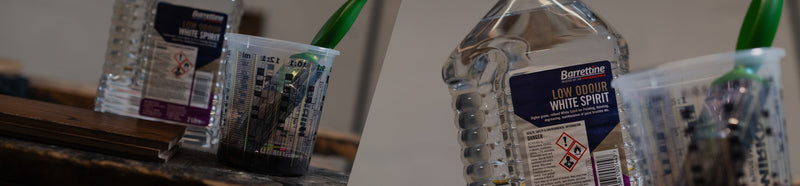
Barrettine Low Odour White Spirit 2 Litres
£7.65 £6.38 ex vatUnit price Translation missing: en.products.product.price.unit_price_separatorUnavailableMylands Light Fast Spirit Wood Stain 1 Litre
+9£26.06 £21.72 ex vatUnit price Translation missing: en.products.product.price.unit_price_separatorUnavailable-
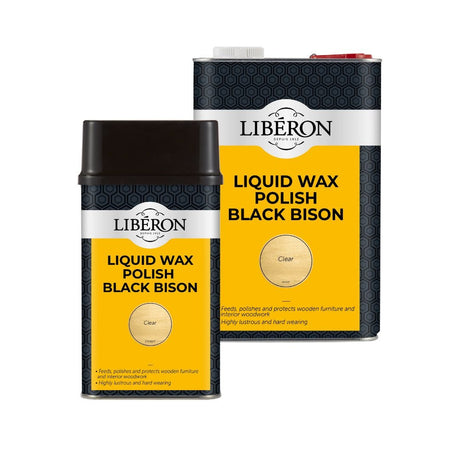
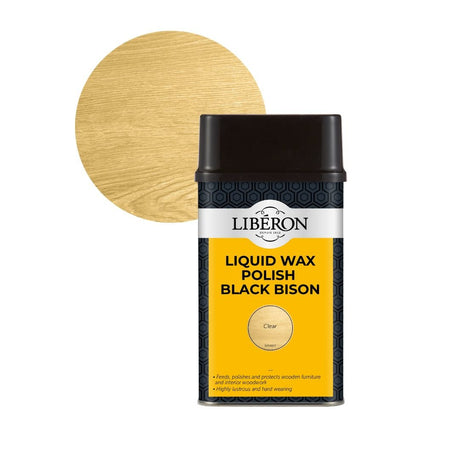
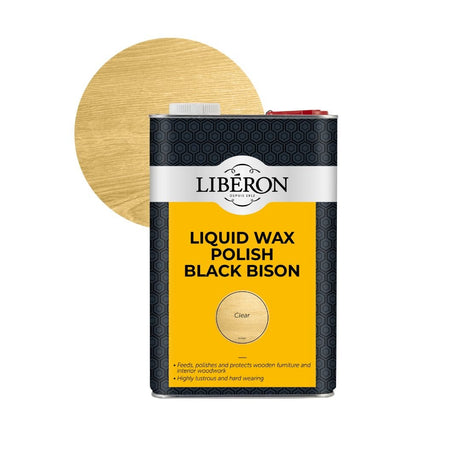
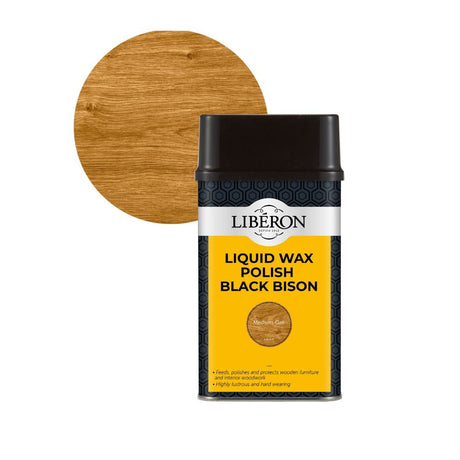
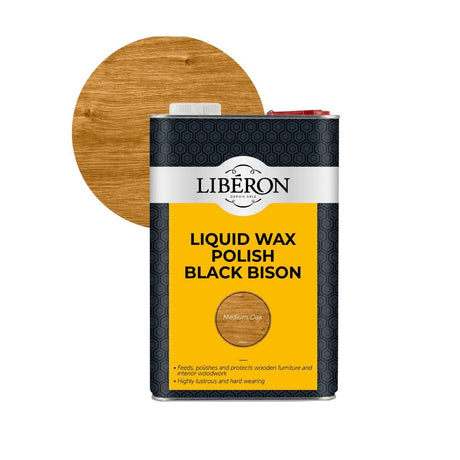
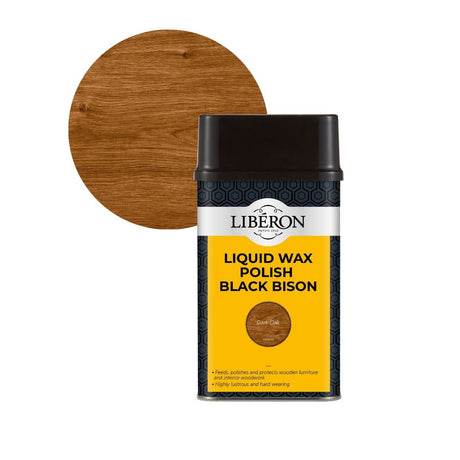
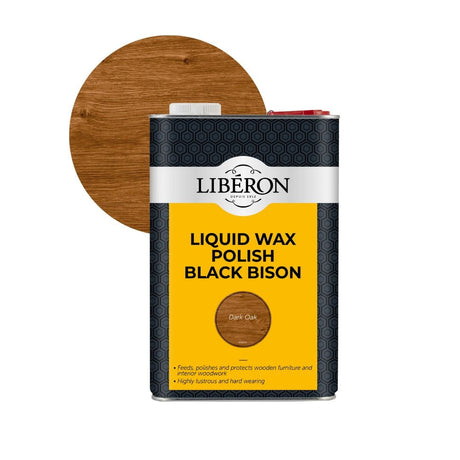
Liberon Liquid Wax Polish Black Bison
From£10.71 £8.93 ex vatUnit price Translation missing: en.products.product.price.unit_price_separatorUnavailable-
- From£14.94 £12.45 ex vatUnit price Translation missing: en.products.product.price.unit_price_separatorUnavailable
-

Mirka Mirlon Finishing Roll 115mm x 10m
£32.60 £27.17 ex vatUnit price Translation missing: en.products.product.price.unit_price_separatorUnavailableRestorate White Cotton Cut T-Shirt Rags
From£5.20 £4.33 ex vatUnit price Translation missing: en.products.product.price.unit_price_separatorUnavailable-
- From£12.29 £10.24 ex vatUnit price Translation missing: en.products.product.price.unit_price_separatorUnavailable
-

Mirka DEOS Backing Pad 81 x 133mm 46H
£33.01 £27.51 ex vatUnit price Translation missing: en.products.product.price.unit_price_separatorUnavailable
Mirka DEOS Pad Saver 81 x 133mm 54H (Pack of 5)
£28.50 £23.75 ex vatUnit price Translation missing: en.products.product.price.unit_price_separatorUnavailable
Mirka Avomax Antistatic Abrasive Sandpaper Roll
From£9.17 £7.64 ex vatUnit price Translation missing: en.products.product.price.unit_price_separatorUnavailableMirka Mirlon Hand Pads 152 x 229mm (Pack of 20)
£17.84 £14.87 ex vatUnit price Translation missing: en.products.product.price.unit_price_separatorUnavailable-
- From£12.27 £10.23 ex vatUnit price Translation missing: en.products.product.price.unit_price_separatorUnavailable
-
- From£14.87 £12.39 ex vatUnit price Translation missing: en.products.product.price.unit_price_separatorUnavailable
-
 Sold out
Mirka Pad Saver 125mm 33H (Pack of 5)
£26.73 £22.28 ex vatUnit price Translation missing: en.products.product.price.unit_price_separatorUnavailable
Mirka Caratflex Abrasive Sheets 230 x 280mm (Pack of 50)
From£28.42 £23.68 ex vatUnit price Translation missing: en.products.product.price.unit_price_separatorUnavailable- From£7.05 £5.88 ex vatUnit price Translation missing: en.products.product.price.unit_price_separatorUnavailable
-