Heavy-duty joinery supplies used by hundreds of joineries across the country, all in one place. We speak regularly with joiners, window makers, and industrial woodworkers to find out which products work and why, and that feedback shapes our range. Ideal for joiners, window makers and restorers, wood turners, carpenters, and construction contractors, the collection covers fixings, preparation products, and primers for frames and large structures.





Mirka Paint Strainers 190 Micron (Pack of 250)
£20.63 £17.19 ex vatUnit price Translation missing: en.products.product.price.unit_price_separatorUnavailableDulux Trade Aqua Uniprimer White
From£23.05 £19.21 ex vatUnit price Translation missing: en.products.product.price.unit_price_separatorUnavailable-

Timbabuild Epoxy Filler Extrusion Tool
£43.05 £35.88 ex vatUnit price Translation missing: en.products.product.price.unit_price_separatorUnavailableMirka DEOS Delta Pad Saver 152mm (pack of 5)
£28.43 £23.69 ex vatUnit price Translation missing: en.products.product.price.unit_price_separatorUnavailable-

Morrells Sprayshop Mixing Cups 600ml (Pack of 50)
£10.45 £8.71 ex vatUnit price Translation missing: en.products.product.price.unit_price_separatorUnavailableOsmo LED Smart UV Curing Hard Wax Oil 5980 Clear
+5From£29.95 £24.96 ex vatUnit price Translation missing: en.products.product.price.unit_price_separatorUnavailable-

Everbuild D4 Wood Adhesive 1 Litre
£11.26 £9.38 ex vatUnit price Translation missing: en.products.product.price.unit_price_separatorUnavailableQ1 3420 Blue Painter's Masking Tape
From£2.84 £2.37 ex vatUnit price Translation missing: en.products.product.price.unit_price_separatorUnavailable-

Moldex 2400 Dust Masks FFP2 (Box of 20)
£57.95 £48.29 ex vatUnit price Translation missing: en.products.product.price.unit_price_separatorUnavailableRodo Prodec Ice Fusion Synthetic Flat Cut Paint Brush
From£7.15 £5.96 ex vatUnit price Translation missing: en.products.product.price.unit_price_separatorUnavailable-
Spax T-Star Plus 25mm Driver Bits (Pack of 5)
£9.21 £7.68 ex vatUnit price Translation missing: en.products.product.price.unit_price_separatorUnavailable-

Rodo Prodec Pointed Synthetic Sash Brush Set 4pcs
£9.87 £8.23 ex vatUnit price Translation missing: en.products.product.price.unit_price_separatorUnavailable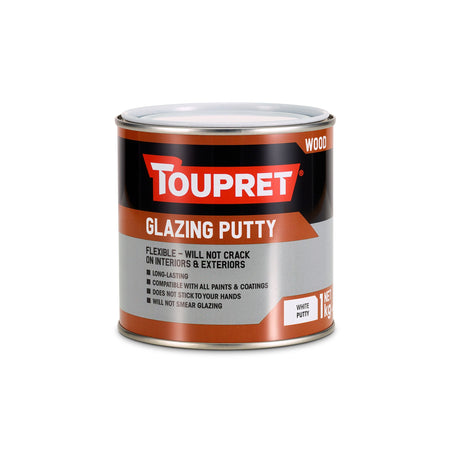 Sold out
Toupret Glazing Putty 1kg White
£12.08 £10.07 ex vatUnit price Translation missing: en.products.product.price.unit_price_separatorUnavailable- £4.36 £3.63 ex vatUnit price Translation missing: en.products.product.price.unit_price_separatorUnavailable
-

Mirka Storage Case Extra Deep 400x300x315mm
£94.76 £78.97 ex vatUnit price Translation missing: en.products.product.price.unit_price_separatorUnavailable
Osmo Natural Oil Woodstain 712 Ebony
+4From£11.80 £9.83 ex vatUnit price Translation missing: en.products.product.price.unit_price_separatorUnavailableMirka Adjustable Edge Guide for DEROS Sanders
£59.96 £49.97 ex vatUnit price Translation missing: en.products.product.price.unit_price_separatorUnavailable-
Mirka DEOS II 353CV 81mm x 133mm Orbital Sander
£501.85 £418.21 ex vatUnit price Translation missing: en.products.product.price.unit_price_separatorUnavailable-
Gerko A2P3 Spray Mask with Filters
£35.65 £29.71 ex vatUnit price Translation missing: en.products.product.price.unit_price_separatorUnavailable-
Rodo Prodec Precision Edge Masking Tape Standard Grade
From£3.53 £2.94 ex vatUnit price Translation missing: en.products.product.price.unit_price_separatorUnavailable-

Träega Ledro Clear Safety Glasses
£2.87 £2.39 ex vatUnit price Translation missing: en.products.product.price.unit_price_separatorUnavailable
Rodo Prodec 15” (380mm) Plastic Stirrer
£1.05 £0.88 ex vatUnit price Translation missing: en.products.product.price.unit_price_separatorUnavailable
Osmo UV Protection Exterior Wood Oil Extra Tints 432 Light Oak
From£1.60 £1.33 ex vatUnit price Translation missing: en.products.product.price.unit_price_separatorUnavailable
Osmo Polyx Oil Tints 3075 Black
+8From£1.45 £1.21 ex vatUnit price Translation missing: en.products.product.price.unit_price_separatorUnavailable- £56.84 £47.37 ex vatUnit price Translation missing: en.products.product.price.unit_price_separatorUnavailable
-
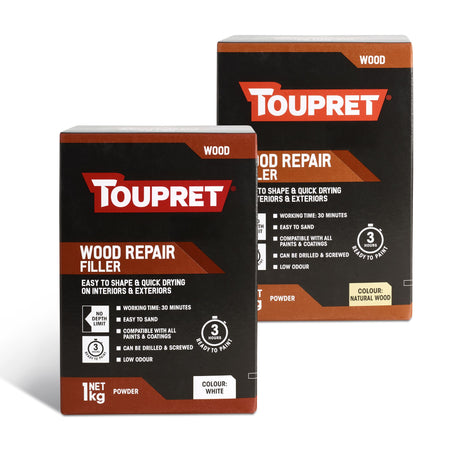
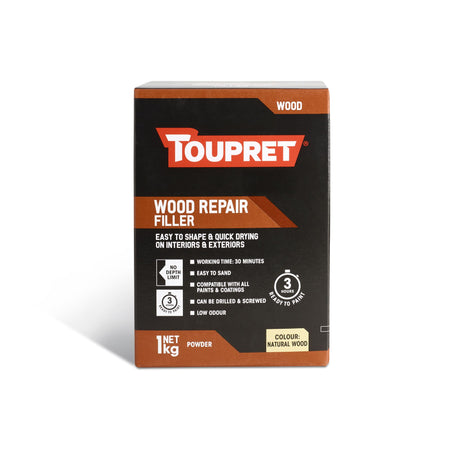
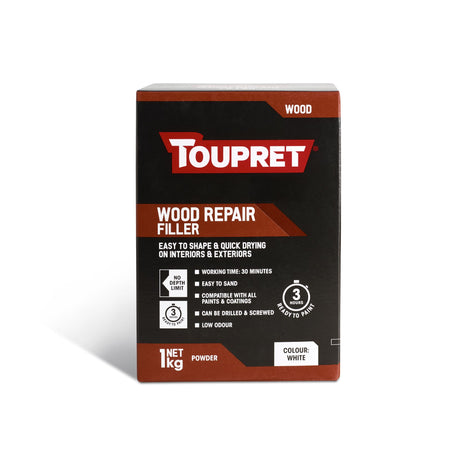
Toupret Wood Repair Filler Powder 1kg
£10.97 £9.14 ex vatUnit price Translation missing: en.products.product.price.unit_price_separatorUnavailable-

Rodo Prodec Magnetic Paint Brush Holder
£3.08 £2.57 ex vatUnit price Translation missing: en.products.product.price.unit_price_separatorUnavailable
Soudal Trade Multi Purpose Silicone 270ml
From£3.39 £2.83 ex vatUnit price Translation missing: en.products.product.price.unit_price_separatorUnavailable Sold out
Soudal Soudabond 265 Classic Contact Adhesive Spray 500ml
£4.95 £4.13 ex vatUnit price Translation missing: en.products.product.price.unit_price_separatorUnavailable
3M 4277+ Half Mask Respirator FFABE1P3RD
£42.95 £35.79 ex vatUnit price Translation missing: en.products.product.price.unit_price_separatorUnavailableQ1 Washi Pre Taped Masking Film
From£3.52 £2.93 ex vatUnit price Translation missing: en.products.product.price.unit_price_separatorUnavailable-

Mirka Fleece Dust Bag for DEXOS 1230 (Pack of 5)
£52.09 £43.41 ex vatUnit price Translation missing: en.products.product.price.unit_price_separatorUnavailable- From£34.02 £28.35 ex vatUnit price Translation missing: en.products.product.price.unit_price_separatorUnavailable
-

Osmo Polyx Oil 3065 Clear Semi-Matt
+10From£1.45 £1.21 ex vatUnit price Translation missing: en.products.product.price.unit_price_separatorUnavailable
Osmo Polyx Oil Tints 3067 Light Grey
+8From£1.45 £1.21 ex vatUnit price Translation missing: en.products.product.price.unit_price_separatorUnavailable
Morrells 8MPR/000B MultiPrime White Multi Surface Waterborne Primer 5 Litre
£65.79 £54.83 ex vatUnit price Translation missing: en.products.product.price.unit_price_separatorUnavailable
Morrells 329 Pre-Catalyst Cellulose Clear MDF Sealer 5 Litre
£51.66 £43.05 ex vatUnit price Translation missing: en.products.product.price.unit_price_separatorUnavailable
Repair Care DRY FLEX 4 2-in-1 150ml
£32.47 £27.06 ex vatUnit price Translation missing: en.products.product.price.unit_price_separatorUnavailable
UPOL Easy1 Easy Sanding Lightweight Deep Fill Body Filler
From£13.96 £11.63 ex vatUnit price Translation missing: en.products.product.price.unit_price_separatorUnavailableRubio Monocoat DuroGrit Exterior Wood Protection Saddle Black
From£6.02 £5.02 ex vatUnit price Translation missing: en.products.product.price.unit_price_separatorUnavailable-
 Sold out
UJK Solid Beech Jointing Biscuits No.20 (Box of 1000)
£37.68 £31.40 ex vatUnit price Translation missing: en.products.product.price.unit_price_separatorUnavailableOsmo LED Smart UV Curing Hard Wax Oil 5984 Natural
+5From£29.95 £24.96 ex vatUnit price Translation missing: en.products.product.price.unit_price_separatorUnavailable-

Osmo Natural Oil Woodstain 707 Walnut
+4From£11.80 £9.83 ex vatUnit price Translation missing: en.products.product.price.unit_price_separatorUnavailable
Osmo UV Protection Exterior Wood Oil Extra Tints 429 Natural
From£1.60 £1.33 ex vatUnit price Translation missing: en.products.product.price.unit_price_separatorUnavailableRodo Prodec Ice Fusion Angle Oval Synthetic Paint Brush
From£10.97 £9.14 ex vatUnit price Translation missing: en.products.product.price.unit_price_separatorUnavailable-
- Sold out
Timbabuild PVC Mixing Board 310mm x 270mm
£23.49 £19.58 ex vatUnit price Translation missing: en.products.product.price.unit_price_separatorUnavailable -
Rubio Monocoat DuroGrit Exterior Wood Protection Grassland Biege
From£6.02 £5.02 ex vatUnit price Translation missing: en.products.product.price.unit_price_separatorUnavailable-
 £4.85 £4.04 ex vatUnit price Translation missing: en.products.product.price.unit_price_separatorUnavailable

Barrettine Cut End Preserver Clear 1 Litre
£25.64 £21.37 ex vatUnit price Translation missing: en.products.product.price.unit_price_separatorUnavailable- £3.51 £2.93 ex vatUnit price Translation missing: en.products.product.price.unit_price_separatorUnavailable
-