Furniture making supplies trusted by joiners, cabinet makers, and workshops, covering every stage from construction through to a high-quality final finish. This collection brings together the materials and workshop essentials needed throughout the process, from cabinets, wardrobes, and kitchens to tables, desks, chairs, and more.







Mirka Abranet 150mm Sanding Discs (Box of 50)
£38.01 £31.68 ex vatUnit price Translation missing: en.products.product.price.unit_price_separatorUnavailable-
- +10From£1.61 £1.34 ex vatUnit price Translation missing: en.products.product.price.unit_price_separatorUnavailable
-
Mirka Abranet Ace Sanding Disc 150mm (Box of 50)
£40.74 £33.95 ex vatUnit price Translation missing: en.products.product.price.unit_price_separatorUnavailable-
- From£3.35 £2.79 ex vatUnit price Translation missing: en.products.product.price.unit_price_separatorUnavailable
-
Mirka Abranet 125mm Sanding Discs (Box of 50)
£34.13 £28.44 ex vatUnit price Translation missing: en.products.product.price.unit_price_separatorUnavailable-
- From£2.25 £1.88 ex vatUnit price Translation missing: en.products.product.price.unit_price_separatorUnavailable
-
- From£8.63 £7.19 ex vatUnit price Translation missing: en.products.product.price.unit_price_separatorUnavailable
-
Mirka Abranet 81 x 133mm Sanding Strips (Box of 50)
£24.95 £20.79 ex vatUnit price Translation missing: en.products.product.price.unit_price_separatorUnavailable-
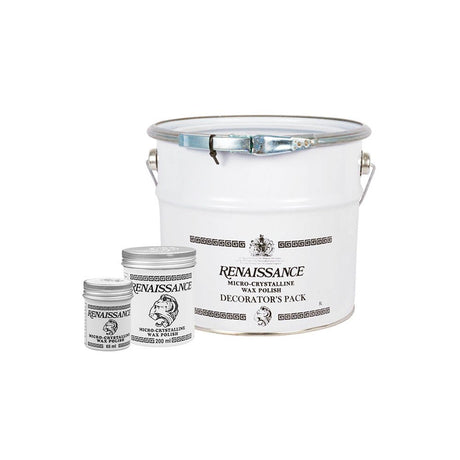
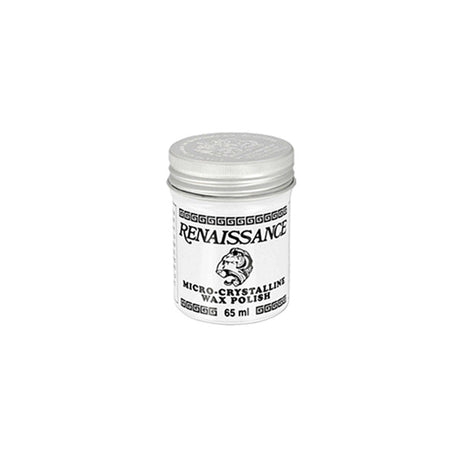
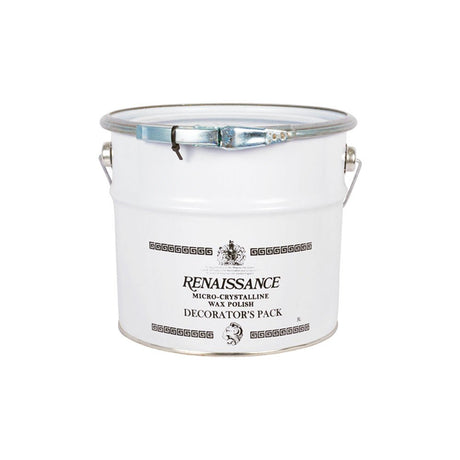
Renaissance Wax Micro Crystalline Wax Polish
From£10.97 £9.14 ex vatUnit price Translation missing: en.products.product.price.unit_price_separatorUnavailable-

Mirka DEROS / PROS Backing Pad 150mm 5/16" 48H
From£41.95 £34.96 ex vatUnit price Translation missing: en.products.product.price.unit_price_separatorUnavailableMirka Profile Foam 25mm Interface 81 x 133mm
£15.87 £13.23 ex vatUnit price Translation missing: en.products.product.price.unit_price_separatorUnavailable-

Mirka Pad Saver 150mm 67H (Pack of 5)
£26.73 £22.28 ex vatUnit price Translation missing: en.products.product.price.unit_price_separatorUnavailable- +1From£7.21 £6.01 ex vatUnit price Translation missing: en.products.product.price.unit_price_separatorUnavailable
-
Mirka Abranet Ace 81 x 133mm Sanding Strips (Box of 50)
£28.30 £23.58 ex vatUnit price Translation missing: en.products.product.price.unit_price_separatorUnavailable-
Mirka Goldflex Soft 115 x 125mm 25m Abrasive Roll
£38.48 £32.07 ex vatUnit price Translation missing: en.products.product.price.unit_price_separatorUnavailable-
Spax Yellox Pozi CSK Wood Screws Trade Pack
From£3.24 £2.70 ex vatUnit price Translation missing: en.products.product.price.unit_price_separatorUnavailable-

Restorate Cotton Stockinette Mutton Cloth
From£5.15 £4.29 ex vatUnit price Translation missing: en.products.product.price.unit_price_separatorUnavailableMirka Abranet Abrasive Grip Roll
From£17.09 £14.24 ex vatUnit price Translation missing: en.products.product.price.unit_price_separatorUnavailable-

Mirka Fleece Dust Bags for Dust Extractors (Pack of 5)
From£26.69 £22.24 ex vatUnit price Translation missing: en.products.product.price.unit_price_separatorUnavailableWest System Epoxy Resin & Hardener
From£34.17 £28.48 ex vatUnit price Translation missing: en.products.product.price.unit_price_separatorUnavailable-
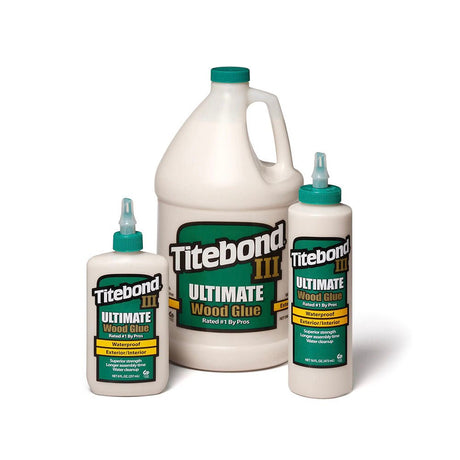
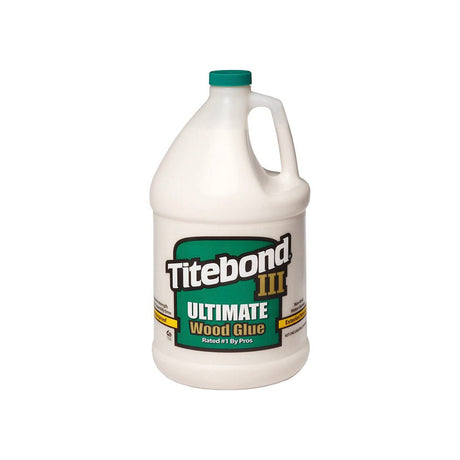
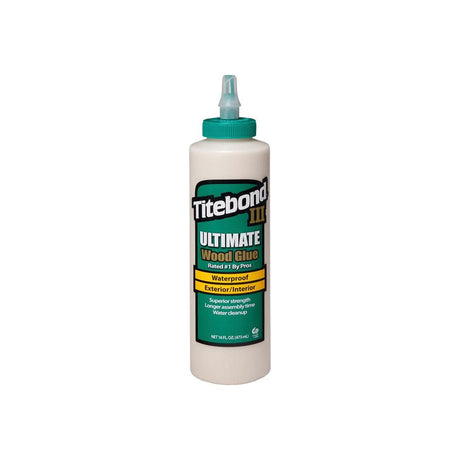
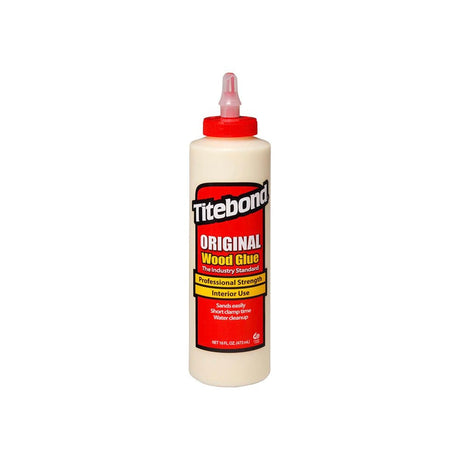
Titebond III Ultimate Wood Glue
From£16.05 £13.38 ex vatUnit price Translation missing: en.products.product.price.unit_price_separatorUnavailable-
Mirka Abranet Delta 152mm Sanding Pads (Box of 50)
From£46.15 £38.46 ex vatUnit price Translation missing: en.products.product.price.unit_price_separatorUnavailable-
Mirka Abranet 70 x 125mm Sanding Strips (Box of 50)
£24.56 £20.47 ex vatUnit price Translation missing: en.products.product.price.unit_price_separatorUnavailable-

Jenkins Jecofil Grain Filler 500g
£14.07 £11.73 ex vatUnit price Translation missing: en.products.product.price.unit_price_separatorUnavailableMirka Abranet 77mm Sanding Discs (Box of 50)
£26.05 £21.71 ex vatUnit price Translation missing: en.products.product.price.unit_price_separatorUnavailable-

Mirka Hiolit XO Belts 100 x 610mm (Pack of 10)
From£19.43 £16.19 ex vatUnit price Translation missing: en.products.product.price.unit_price_separatorUnavailable
Mirka Foam Interface Pad 67H 150mm
From£10.48 £8.73 ex vatUnit price Translation missing: en.products.product.price.unit_price_separatorUnavailable- From£1.32 £1.10 ex vatUnit price Translation missing: en.products.product.price.unit_price_separatorUnavailable
-
Mirka Gold Grip 150mm Multifit Sanding Discs (Box of 100)
£38.38 £31.98 ex vatUnit price Translation missing: en.products.product.price.unit_price_separatorUnavailable-

Spax Wirox Torx CSK Universal Wood Screws
From£3.12 £2.60 ex vatUnit price Translation missing: en.products.product.price.unit_price_separatorUnavailable
Barrettine Low Odour White Spirit 2 Litres
£7.65 £6.38 ex vatUnit price Translation missing: en.products.product.price.unit_price_separatorUnavailable
Rustins Lint Free Cotton Cloths 300 x 300mm (Pack of 3)
£5.02 £4.18 ex vatUnit price Translation missing: en.products.product.price.unit_price_separatorUnavailable
Mirka Mirlon Finishing Roll 115mm x 10m
£32.60 £27.17 ex vatUnit price Translation missing: en.products.product.price.unit_price_separatorUnavailableRestorate White Cotton Cut T-Shirt Rags
From£5.20 £4.33 ex vatUnit price Translation missing: en.products.product.price.unit_price_separatorUnavailable-
- From£12.29 £10.24 ex vatUnit price Translation missing: en.products.product.price.unit_price_separatorUnavailable
-

Mirka DEOS Backing Pad 81 x 133mm 46H
£33.01 £27.51 ex vatUnit price Translation missing: en.products.product.price.unit_price_separatorUnavailable
Mirka DEOS Pad Saver 81 x 133mm 54H (Pack of 5)
£28.50 £23.75 ex vatUnit price Translation missing: en.products.product.price.unit_price_separatorUnavailable
Mirka Avomax Antistatic Abrasive Sandpaper Roll
From£9.17 £7.64 ex vatUnit price Translation missing: en.products.product.price.unit_price_separatorUnavailableMarshall 401 Professional Paint Brush
From£2.38 £1.98 ex vatUnit price Translation missing: en.products.product.price.unit_price_separatorUnavailable-
Mirka Mirlon Hand Pads 152 x 229mm (Pack of 20)
£17.84 £14.87 ex vatUnit price Translation missing: en.products.product.price.unit_price_separatorUnavailable-
- From£12.27 £10.23 ex vatUnit price Translation missing: en.products.product.price.unit_price_separatorUnavailable
-
 Sold out
Mirka Pad Saver 125mm 33H (Pack of 5)
£26.73 £22.28 ex vatUnit price Translation missing: en.products.product.price.unit_price_separatorUnavailableMirka DEROS / PROS Backing Pad 125mm 5/16" 28H Medium
£38.50 £32.08 ex vatUnit price Translation missing: en.products.product.price.unit_price_separatorUnavailable-

Mirka Rewireable Mains Cable 4.3m 230V
£55.07 £45.89 ex vatUnit price Translation missing: en.products.product.price.unit_price_separatorUnavailable- From£7.05 £5.88 ex vatUnit price Translation missing: en.products.product.price.unit_price_separatorUnavailable
-
- Up to 7% off
Osmo Polyx Oil 3044 Raw (Natural)
+10From£1.45 £1.21 ex vatUnit price Translation missing: en.products.product.price.unit_price_separatorUnavailable -

Mirka Abranet 150mm Sanding Discs P80-320 Mixed Box of 50
£38.01 £31.68 ex vatUnit price Translation missing: en.products.product.price.unit_price_separatorUnavailable- From£29.22 £24.35 ex vatUnit price Translation missing: en.products.product.price.unit_price_separatorUnavailable
-
Mirka Mixing Cups (Pack of 10)
From£4.17 £3.48 ex vatUnit price Translation missing: en.products.product.price.unit_price_separatorUnavailable-
Mirka DEROS II 5650CV Sander Deco Solution Kit 230V
£575.27 £479.39 ex vatUnit price Translation missing: en.products.product.price.unit_price_separatorUnavailable-