Which abrasives are suitable for composite materials?
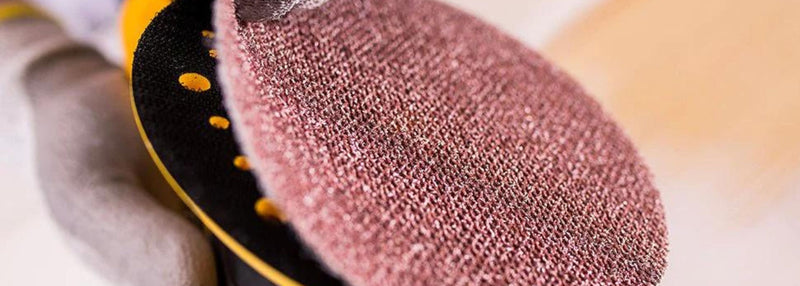
It depends on the stage of the job and how much material needs to be removed. Mirka Abranet is a versatile choice for general sanding, Abranet Ace HD is suited to heavier sanding, while Mirka Abralon is useful when refining the surface before polishing. For more delicate finishing work, Mirka Goldflex Soft and Mirlon can be useful where a flexible abrasive is needed to follow contours without being overly aggressive.
Can I wet sand composite materials?
Yes. Wet sanding is commonly used during the finer stages of composite finishing to control dust and achieve a consistent surface before polishing. Products such as Mirka Abralon are designed for wet as well as dry sanding. Always check the abrasive and substrate are suitable for the process before starting.
How can I keep dust under control when sanding composite materials?
Dust extraction makes a significant difference when sanding cured resin and composite surfaces, both for the working environment and for keeping the surface clean between stages. Mirka's net abrasives, such as Abranet, are designed to work with extraction, and the collection includes Mirka sanders, dust extractor accessories, backing pads, and other equipment to build a suitable sanding system.
What is the advantage of using a proper epoxy pump set?
Accurate resin-to-hardener ratios are critical when working with a two-part epoxy system. The West System 5:1 Pump Set is designed to dispense the resin and hardener in the correct proportion, making mixing more consistent and reducing the risk of inaccurate measuring when preparing repeated batches.
How do I mask composite surfaces without leaving adhesive residue?
The tape needs to provide a clean edge without bonding so aggressively that it damages or contaminates the surface when removed. The collection includes Mirka 120 Blue Line Residue Free Masking Tape and Q1 masking products, giving you options for different masking requirements.
What should I use to polish curved or contoured composite surfaces?
A rigid pad can make it difficult to maintain consistent contact on curves and shaped components. Mirka offers polishing pads and accessories designed to work with its polishing systems, including Polarshine lambswool pads, while flexible abrasives such as Abralon can help with surface preparation on shaped areas before polishing.
What's the difference between an interface pad and a pad saver?
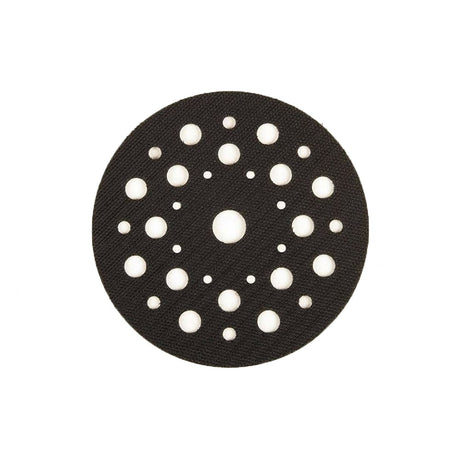
A pad saver sits between the abrasive and backing pad to help protect the backing pad from wear, particularly during frequent abrasive changes. An interface pad adds a layer of flexibility, helping the abrasive follow curves, contours, and profiled surfaces more closely. Both can be useful additions to a composite sanding setup, but they perform different jobs.
How do I get a high-gloss finish on cured resin?
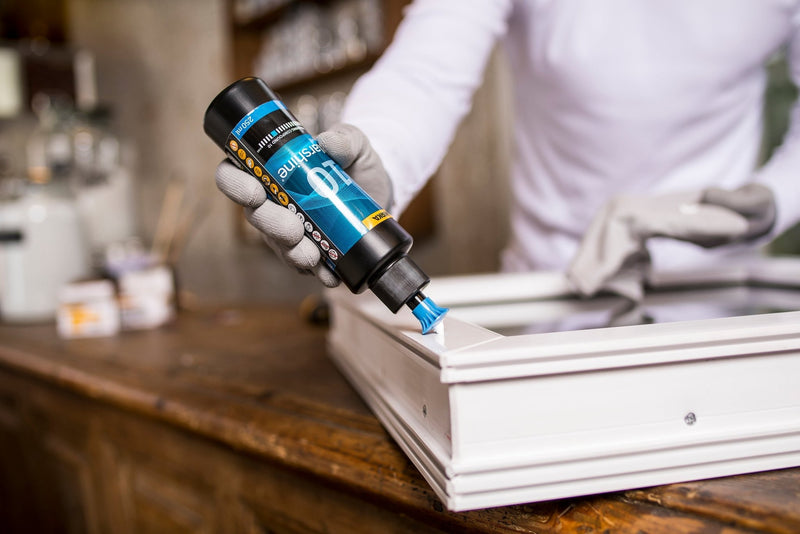
Polishing works best when the surface has first been sanded consistently to an appropriate fine grade. Mirka Polarshine 10 is a polishing compound designed to remove sanding marks and bring the surface towards a high gloss, and can be used with suitable polishing pads and equipment. The quality of the sanding underneath has a major impact on the final result, so polishing shouldn't be used to compensate for an inadequately prepared surface.
How do I deal with sanding scratches that are still visible after polishing?
If scratches remain after polishing, the problem is usually at the preparation stage rather than the polishing stage. Go back to the abrasive grade that will remove the scratches, then work progressively through the finer grades before returning to Polarshine. Trying to remove deep sanding marks with compound alone is usually much less efficient.
What’s the best way to sand cured resin without creating a poor surface for polishing?
The aim is to remove imperfections efficiently without introducing deep scratches that then take longer to polish out. Mirka Abranet and Abranet Ace are useful for controlled sanding, while Abralon is particularly useful when refining the surface through finer grades before polishing. Working progressively through the grades is important - jumping too far between grits can leave scratches that are difficult to remove at the polishing stage.
What's the best way to achieve a super smooth finish?
Our collection includes polishing compounds, polishing pads, and accessories for refining the surface after sanding. A controlled progression through the appropriate sanding grits before polishing helps reduce the amount of work required at the polishing stage and achieve a more consistent finish.
Can I sand and polish gelcoat?
Yes. Gelcoat can be progressively sanded to remove surface defects, oxidation, or imperfections before being polished to restore the required finish. The abrasive sequence will depend on the condition of the surface, so avoid starting with a coarser grit than necessary and work progressively through the grades before moving on to polishing compounds and pads.
What if I need a product that isn't currently listed in this collection?
Call the Restorate office on 01285 831668 and we can order it for you. Our office is open 8am–5pm, Monday to Friday, and orders placed before 4pm are eligible for next-day delivery, subject to product availability.






 Sold out