Antique restoration is the cornerstone of the business and where Restorate began: founder Weston Mitchell was himself a respected restorer, so our range has always been shaped by the materials and techniques used in the trade. Today, the collection includes specialist products from traditional manufacturers such as Mylands, Fiddes, and W.S. Jenkins, alongside the abrasives, adhesives, fillers, and workshop materials needed throughout the restoration process.








Träega Ledro Clear Safety Glasses
£2.87 £2.39 ex vatUnit price Translation missing: en.products.product.price.unit_price_separatorUnavailable
Rodo Prodec Magnetic Paint Brush Holder
£3.08 £2.57 ex vatUnit price Translation missing: en.products.product.price.unit_price_separatorUnavailable
Jenkins O015 Satin Pale Outside Polish 5L
£124.22 £103.52 ex vatUnit price Translation missing: en.products.product.price.unit_price_separatorUnavailable From£9.40 £7.83 ex vatUnit price Translation missing: en.products.product.price.unit_price_separatorUnavailable
Rodo Prodec Synthetic Bristle Wooden Handle Laminating Brush
From£0.48 £0.40 ex vatUnit price Translation missing: en.products.product.price.unit_price_separatorUnavailable-

Mohawk Epoxy Putty Filler Stick
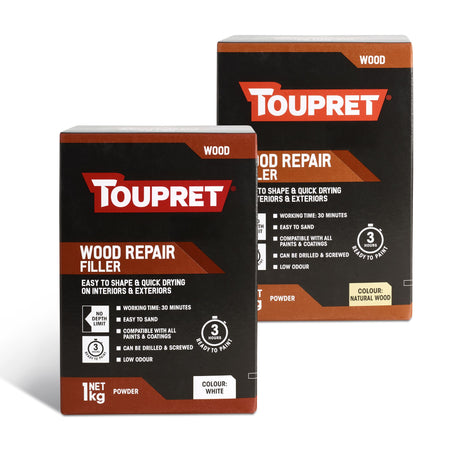
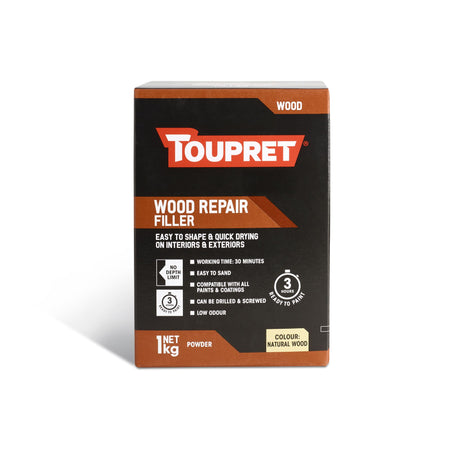
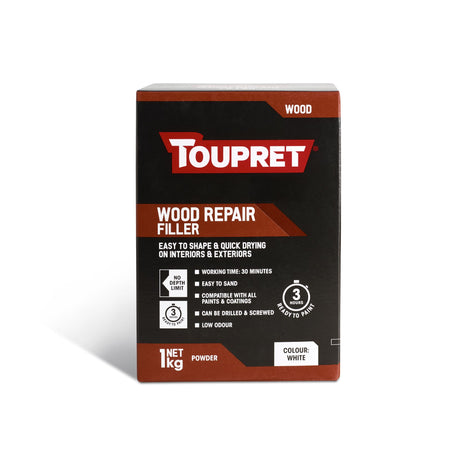
£18.24 £15.20 ex vatUnit price Translation missing: en.products.product.price.unit_price_separatorUnavailableToupret Wood Repair Filler Powder 1kg
£10.97 £9.14 ex vatUnit price Translation missing: en.products.product.price.unit_price_separatorUnavailable-
 £7.52 £6.27 ex vatUnit price Translation missing: en.products.product.price.unit_price_separatorUnavailable
- Sold out£28.02 £23.35 ex vatUnit price Translation missing: en.products.product.price.unit_price_separatorUnavailable
-

Rodo Prodec 5 Piece Fitch Set Flat & Round
£9.31 £7.76 ex vatUnit price Translation missing: en.products.product.price.unit_price_separatorUnavailable Sold out20% off
Everbuild Mitre Fast Activator 200ml
£4.18 £3.48 ex vat£5.22Unit price Translation missing: en.products.product.price.unit_price_separatorUnavailable
Morrells 017/000 Light Fast Stain Cellulose Thinners
From£17.06 £14.22 ex vatUnit price Translation missing: en.products.product.price.unit_price_separatorUnavailable- £3.51 £2.93 ex vatUnit price Translation missing: en.products.product.price.unit_price_separatorUnavailable
-
 Sold out
Veritas 3 Piece Curved Cabinet Scraper Set 0.6mm
£18.69 £15.58 ex vatUnit price Translation missing: en.products.product.price.unit_price_separatorUnavailable £39.40 £32.83 ex vatUnit price Translation missing: en.products.product.price.unit_price_separatorUnavailable

Restorate Natural Bristle Non Metalic Glue Brush
From£15.98 £13.32 ex vatUnit price Translation missing: en.products.product.price.unit_price_separatorUnavailable- Sold out
Purdy Jamb Dusting Brush 4 Inch
£22.00 £18.33 ex vatUnit price Translation missing: en.products.product.price.unit_price_separatorUnavailable -

Mylands Wood Finishing Oil 5 Litres
£101.28 £84.40 ex vatUnit price Translation missing: en.products.product.price.unit_price_separatorUnavailable
Restorate White Soft Cotton Towelling Cut Pieces
From£10.45 £8.71 ex vatUnit price Translation missing: en.products.product.price.unit_price_separatorUnavailable
Rodo Prodec Polythene Dust Sheet 12’ x 9’
£1.38 £1.15 ex vatUnit price Translation missing: en.products.product.price.unit_price_separatorUnavailable Sold out
Ureka Aro-Bond 920 30 Minute PU Adhesive 1kg
£19.13 £15.94 ex vatUnit price Translation missing: en.products.product.price.unit_price_separatorUnavailable Sold out
Everbuild Superglue De-bonder 20ml
£2.63 £2.19 ex vatUnit price Translation missing: en.products.product.price.unit_price_separatorUnavailable
Fiddes Base Tint Black 1 Litre
£27.32 £22.77 ex vatUnit price Translation missing: en.products.product.price.unit_price_separatorUnavailable £4.35 £3.63 ex vatUnit price Translation missing: en.products.product.price.unit_price_separatorUnavailable
Restorate White Scrubby 100 x 150mm (Box of 20)
£20.95 £17.46 ex vatUnit price Translation missing: en.products.product.price.unit_price_separatorUnavailable-

Everbuild Stick 2 Contact Adhesive Spray
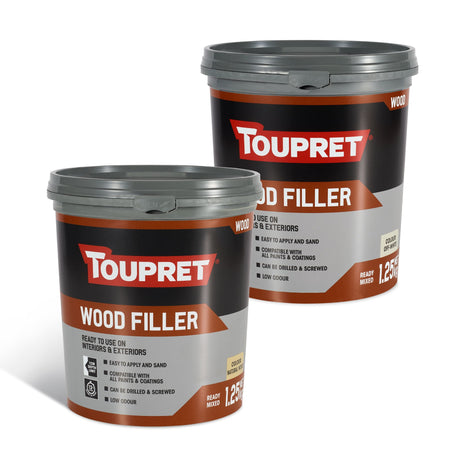
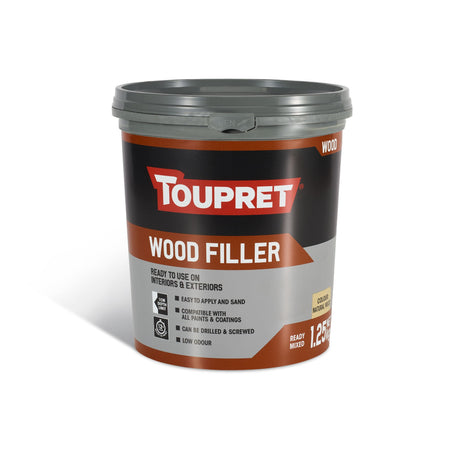
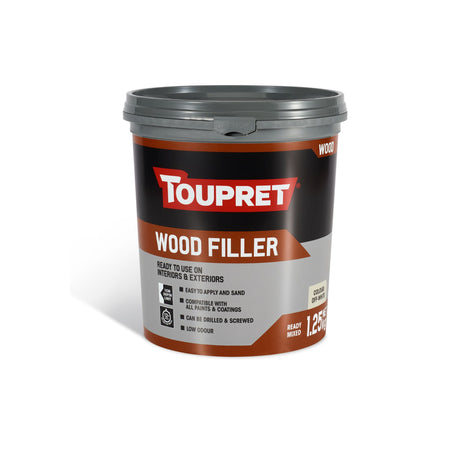
£5.42 £4.52 ex vatUnit price Translation missing: en.products.product.price.unit_price_separatorUnavailableToupret Wood Filler Ready Mixed 1.25kg
£13.22 £11.02 ex vatUnit price Translation missing: en.products.product.price.unit_price_separatorUnavailable-
Jenkins De-Waxed Lemon Shellac Flakes 250g
£27.51 £22.93 ex vatUnit price Translation missing: en.products.product.price.unit_price_separatorUnavailable-
Rodo Prodec Cellulose Sponge - Standard Size
£3.26 £2.72 ex vatUnit price Translation missing: en.products.product.price.unit_price_separatorUnavailable-
 £16.70 £13.92 ex vatUnit price Translation missing: en.products.product.price.unit_price_separatorUnavailable

UPOL Easy1 Easy Sanding Lightweight Deep Fill Body Filler
From£13.96 £11.63 ex vatUnit price Translation missing: en.products.product.price.unit_price_separatorUnavailablePolyvine Original Scumble Acrylic Glaze
From£27.11 £22.59 ex vatUnit price Translation missing: en.products.product.price.unit_price_separatorUnavailable-
Rodo Prodec Triangular Shavehook
£7.67 £6.39 ex vatUnit price Translation missing: en.products.product.price.unit_price_separatorUnavailable-
- £17.95 £14.96 ex vatUnit price Translation missing: en.products.product.price.unit_price_separatorUnavailable
-

Gerko FFP2 Dust Masks with Valve (Box of 15)
£31.45 £26.21 ex vatUnit price Translation missing: en.products.product.price.unit_price_separatorUnavailable
Morrells Sprayshop Panel Wipe 5 Litre
£23.73 £19.78 ex vatUnit price Translation missing: en.products.product.price.unit_price_separatorUnavailable Sold out
Fiddes Friction Polish 1 Litre
£27.25 £22.71 ex vatUnit price Translation missing: en.products.product.price.unit_price_separatorUnavailableUPOL Onion Board 20 Layer Mixing Board
£11.94 £9.95 ex vatUnit price Translation missing: en.products.product.price.unit_price_separatorUnavailable-

Mirka AbraClean 150mm x 25mm Foam Cleaning Pad (Pack of 4)
£35.65 £29.71 ex vatUnit price Translation missing: en.products.product.price.unit_price_separatorUnavailable
Barrettine Brush Restorer 500ml
£5.99 £4.99 ex vatUnit price Translation missing: en.products.product.price.unit_price_separatorUnavailable
Fiddes Table Top Thinners 1 Litre
£18.04 £15.03 ex vatUnit price Translation missing: en.products.product.price.unit_price_separatorUnavailable Sold out
Gerko Replacement Filters for A2P3 Masks (Pack of 2)
£31.73 £26.44 ex vatUnit price Translation missing: en.products.product.price.unit_price_separatorUnavailable
Soudal Swipex Heavy Duty Hand Cleaner 1 Litre
£16.80 £14.00 ex vatUnit price Translation missing: en.products.product.price.unit_price_separatorUnavailableJenkins Pure Button Polish (P011) 5 Litres
£132.92 £110.77 ex vatUnit price Translation missing: en.products.product.price.unit_price_separatorUnavailable-

Rodo ProDec Tack Cloths (Pack of 10)
£10.97 £9.14 ex vatUnit price Translation missing: en.products.product.price.unit_price_separatorUnavailable
Mylands Clear Methylated Spirits 5 Litre
£27.80 £23.17 ex vatUnit price Translation missing: en.products.product.price.unit_price_separatorUnavailableSikaBond PVA D3 Wood Adhesive+
From£5.20 £4.33 ex vatUnit price Translation missing: en.products.product.price.unit_price_separatorUnavailable-