Hard wax oils combine natural oils and waxes to create a hard-wearing finish for interior wood. Unlike some film-forming finishes, they won’t peel or flake, making them a practical choice where durability and ease of maintenance are important.
Their straightforward application and durability make hard wax oils particularly popular for flooring, where the finish needs to withstand regular foot traffic. They are also compliant with the EN71 safety standard for use on children’s toys and offer good resistance to the everyday spillages you’re likely to encounter around the home.
Hard wax oils don’t require a primer and can be applied directly to bare wood with a brush or cloth. The important thing is to apply them very thinly. Once dry, they leave the wood with a lightly waxed appearance, with finishes ranging from gloss through to dead matt.
At Restorate, we stock three leading brands: Osmo Polyx Oil; Fiddes Hard Wax Oil; and Liberon Hard Wax Oil. While all three work on the same basic principle, there are some important differences between the ranges.
Osmo Polyx Oil is made from natural plant oils and waxes in a solvent base. It's designed to be applied thinly, meaning a relatively small amount will cover a surprisingly large area. The standard clear Polyx Oil is available in Gloss, Satin, and Matt finishes - as well as two faster-drying versions: Polyx-Oil Rapid and Polyx-Oil Express. These are particularly useful when time is limited, but for larger areas we'd recommend that they are applied by someone with reasonable experience of hard wax oils.

There's also a range of tinted oils that colour, while allowing the natural grain of the wood to remain visible. The range includes some more unusual options containing real silver and gold for a more decorative finish. While the tinted oils are only available in a satin finish, you can simply use a clear matt or gloss oil as a second coat to achieve your chosen sheen.
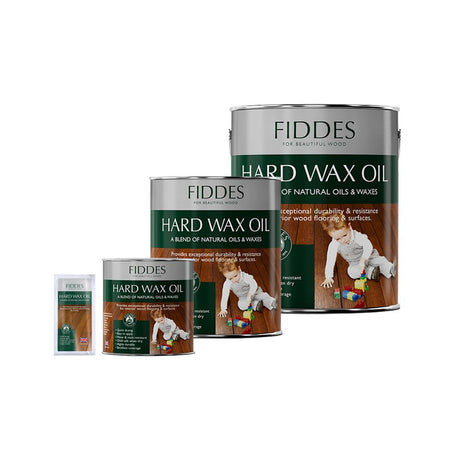
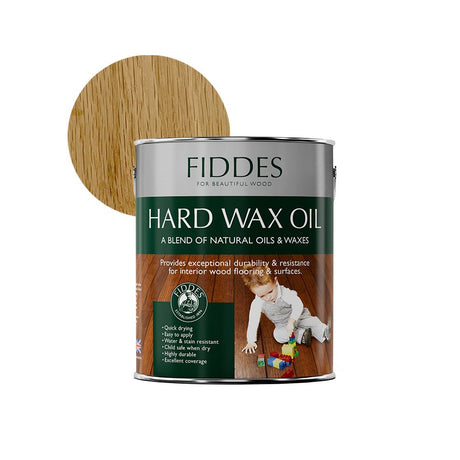
Fiddes Hard Wax Oil is very similar in concept to Osmo. It's a blend of natural oils and waxes in a solvent base, designed to provide a durable, natural-looking finish. It's a more economical option than Osmo, although coverage isn't as good.
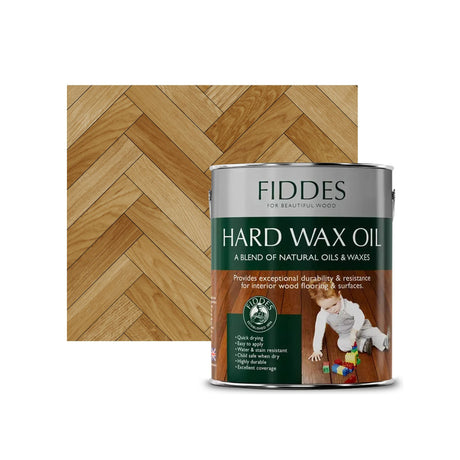
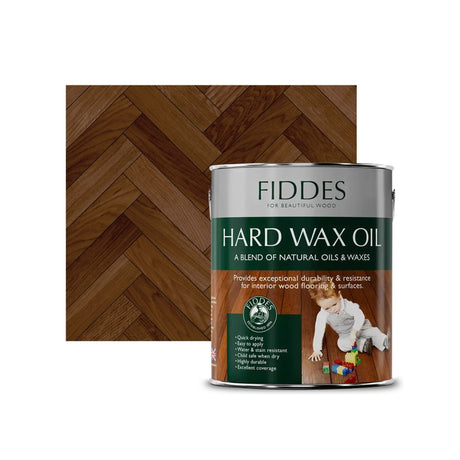
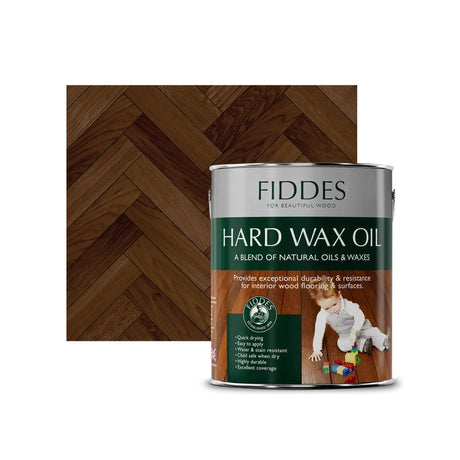
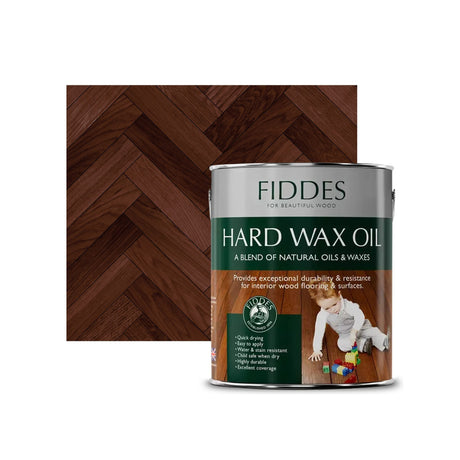
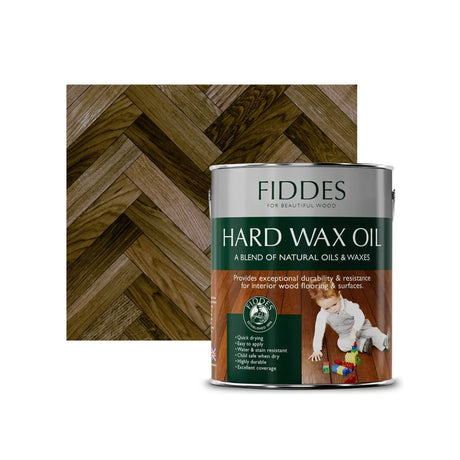
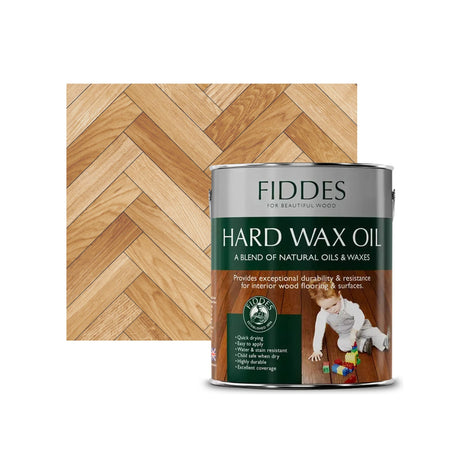
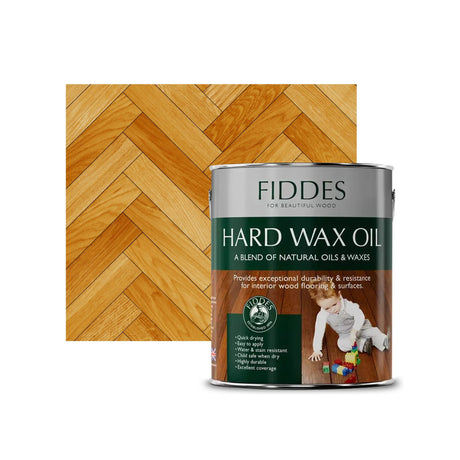
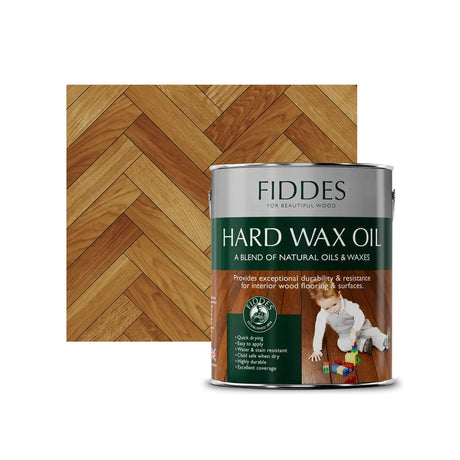
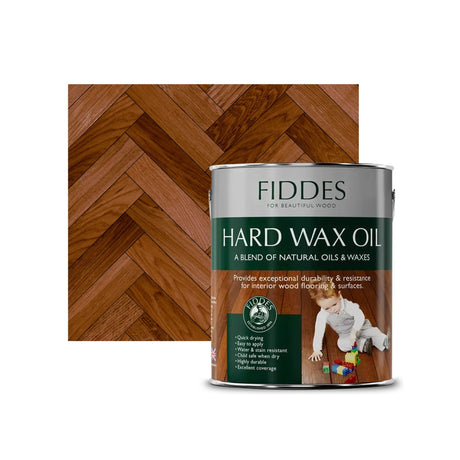
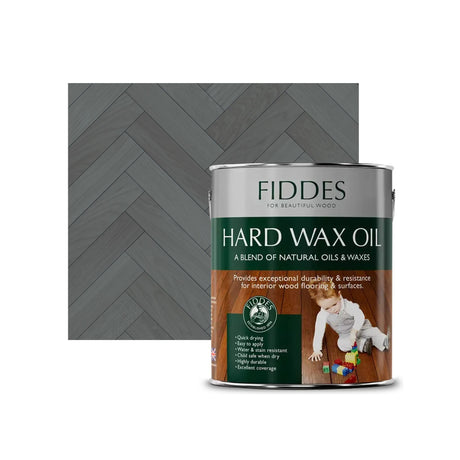
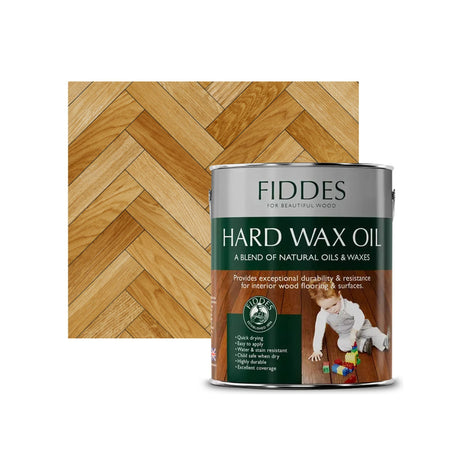
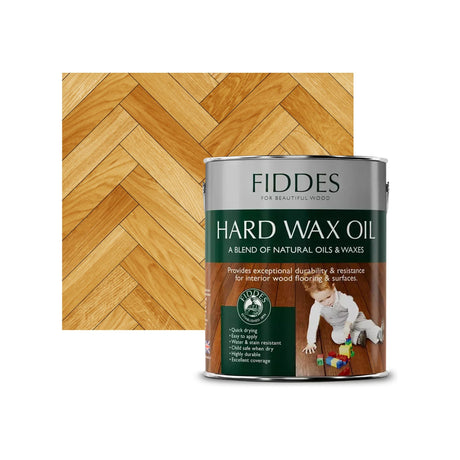
The clear range is available in satin, matt, and dead matt, alongside a selection of tinted oils in a satin sheen. Fiddes is particularly worth considering if you’re looking for more traditional wood shades. The colour range includes shades from American Oak through to Rustic Oak and Dark Oak, as well as Onyx Black. As with Osmo, if you want a different sheen to the satin finish of the tinted oils, simply apply a clear top coat in your chosen sheen.
Liberon Hard Wax Oil differs from the Fiddes and Osmo ranges in one important respect: it is water-based. This makes it particularly suitable for humid areas such as kitchens and bathrooms. Based on tung oil and carnauba wax, it's available in clear, satin, and matt finishes. One thing to bear in mind, though, is it must be sanded between coats using a 240-grit abrasive.
A note on colour
Because both Fiddes and Osmo use a solvent base, their clear oils will enhance the natural colour of the wood. This can be desirable when you want to bring out warmth and depth, but it isn't always the desired result - particularly with pale woods.
If you want to keep light-coloured wood as close as possible to its original appearance,
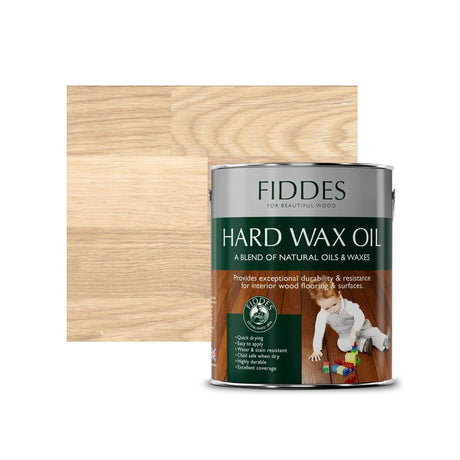
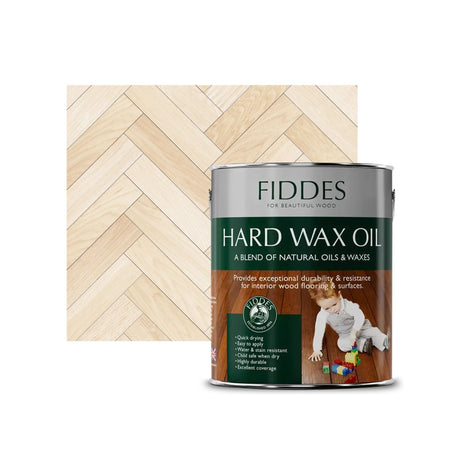
Osmo 3044 Raw and Fiddes Natural (previously known as Oak Lightening), are clear oils containing a small amount of white pigment. This helps to counteract the darkening and warming effect of a solvent-based oil.
The final colour of a tinted hard wax oil can vary depending on the wood’s porosity, grain structure, and original colour - with older, more absorbent wood often producing a deeper result. Both Fiddes and Osmo offer 5ml sample sachets, which we recommend using to test the colour on an inconspicuous area or matching piece of wood before committing to the whole job. Allow the sample to dry fully before assessing the final colour.
 All three ranges offer a durable, relatively straightforward way to protect interior wood, but the differences between them make each better suited to certain applications. Whichever product you choose, the same principle applies: apply hard wax oil thinly. Applying too much product won't make the finish more durable - it will simply increase drying times and can leave you with an uneven or tacky surface.
A natural, durable finish
Hard wax oils are an easy-to-apply, low-maintenance option for floors and general interior wood finishing. They provide a durable finish while retaining much of the natural look and feel of the wood, and the wide range of colours and sheens makes it possible to significantly change the appearance of a surface without resorting to a heavy film finish.
With the right product, careful preparation, and thin application, hard wax oil is a straightforward way to give interior wood a durable finish that looks good and stands up to everyday use.