


When compared to other materials, wood blemishes easily. Water marks, which usually appear as light or dark rings on the wood, are among the most common types of blemish to affect this material. Often caused by hot mugs or the bottom of vases, these water marks ruin the aesthetics of wood surfaces and will continue to do so until properly treated. Fortunately, you don’t have to be a professional restorer to tackle these pesky blemishes. With a few handy products, and the correct application, removing water marks and restoring your surfaces to their former glory is a simple, stress-free process.
Understanding water marks and white rings
Water marks and white rings form when liquids are left on a wood surface for long periods of time. While wet mugs and glasses are the main culprits, any liquid, be it water, oil or condiments, has the potential to mark wood finishes.
Due to the amount of use they get over the years, antiques are often covered in these blemishes. What’s more, the traditional finishes used on antiques, including French polishes (shellac) and wax polishes (beeswax), are often more susceptible to water damage than modern finishes.
The two types of water marks
Before we try to treat them, it’s vital that we’re able to identify what type of water mark we are dealing with.
- White water marks: White water marks are usually superficial with the moisture being suspended in the wood finish while the surface has dried out. As the name suggests, they are light in colour. They are the most common type of water mark. These are the ones this article we focus on.
- Dark water marks: Dark water marks occur when the moisture has passed through the finish and stained deep into the wood grain. This level of penetration usually necessitates the finish being removed and the stain being bleached or carefully sanded. Particularly with older furniture, it’s extremely easy to permanently ruin the item when performing these processes. For this reason, we encourage antique owners to embrace these marks as part of the furniture’s charm. Failing that, we recommend hiring a professional restorer to tackle these dark blemishes.
Questionable advice on the internet
Many blogs suggest using everyday household items to remove water marks from furniture. While these methods might work on modern furniture, they have the potential to seriously damage older pieces, especially antiques, as the following examples illustrate.
- Heating or ironing the wood: One common tip is to use an iron – or other heat sources – to dry the trapped moisture. However, applying localised heat to wood is risky business. Use too high a heat and you could melt the finish or burn a dark mark into the wood. Some blogs suggest placing a damp towel underneath the iron to minimise the chances of this happening, but this has the potential to create larger water marks or raise the grain of the wood. As a final word of warning, thin veneers which are used on antiques and some modern furniture may delaminate if the adhesive melts.
- Applying mayonnaise or olive oil: This method sees oils added to the wooden surface in an attempt to rehydrate it. However, these fats begin to smell in the months after application, and the oils might continue to be absorbed into the wood, resulting in the formation of a dark and difficult-to-budge grease stain.
- Using baking soda and toothpaste: Applying a mixture of baking soda and toothpaste to the water mark results in a chemical reaction which lightly bleaches the wooden surface. Difficult to control, this method might result in the water mark becoming lighter and even more noticeable.
What we recommend
Some wood finishes are far more vulnerable to water damage, and are much easier to ruin during the repair process, than others. Generally, the older the piece of furniture, the less aggressive you should be when treating it. In the case of antiques, steel wool, abrasives, alcohol or paint stripper should be avoided as these can cause irreparable damage in seconds.
Thankfully, traditional manufacturers, including Liberon, Rustins and Fiddes, have been making tried and tested wood finishes for over a hundred years. During this time, they have also produced several products designed to tackle white water stains. These products are straightforward to use and are unlikely to cause damage to even the most delicate antique thanks to the combination of naturally occurring oils, polish, extremely fine abrasive and solvent that they contain. In other words, the following products present a perfectly formulated cocktail of elements that work together to effectively and safely remove white water marks from even the most fragile piece of furniture.
Three products Restorate recommends
- Liberon Ring Remover: Although Liberon recommends this product be used to remove water marks from high gloss finishes such as French polish, varnish and lacquer, we have found that it works very well on waxed and oiled surfaces too. To use, apply liberal amounts of the ring remover to the water mark using a lint free cotton cloth. Move the cloth in a circular motion until the mark vanishes. Leave for a day and if the white stain reappears, repeat the process again.
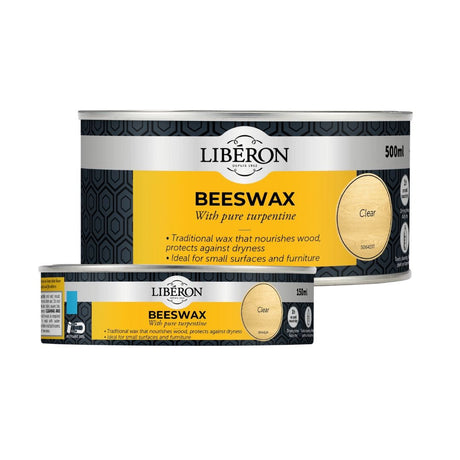
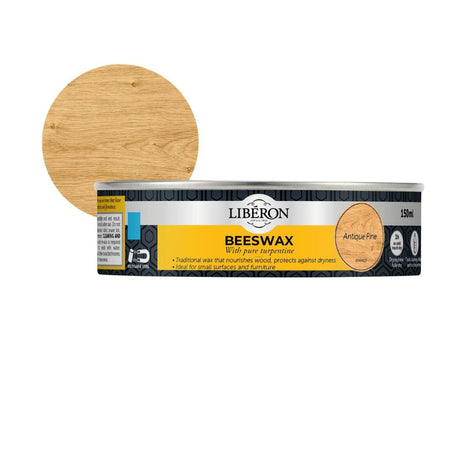
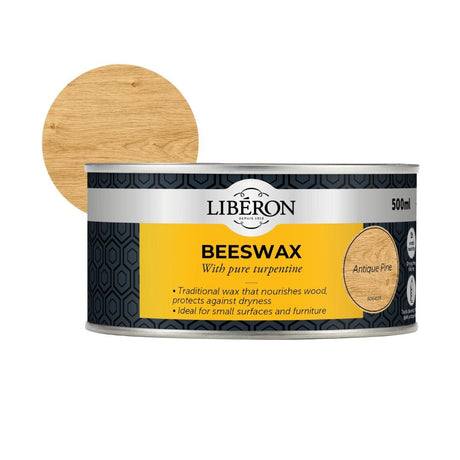
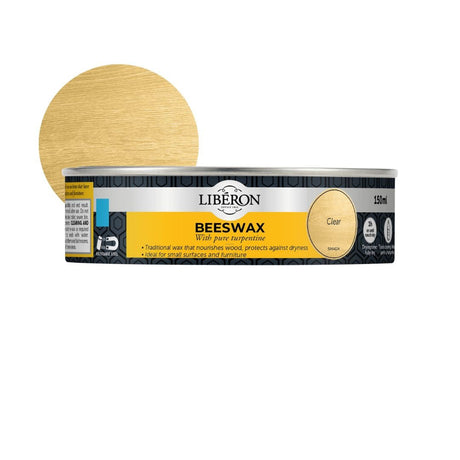
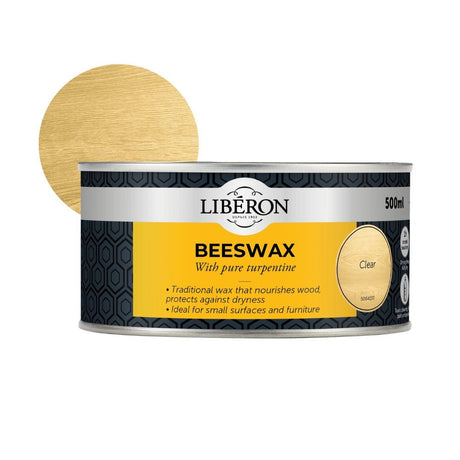
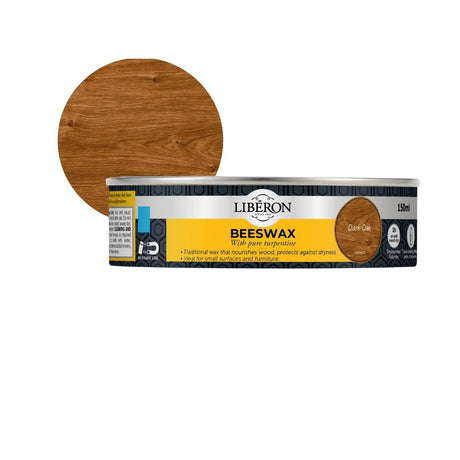
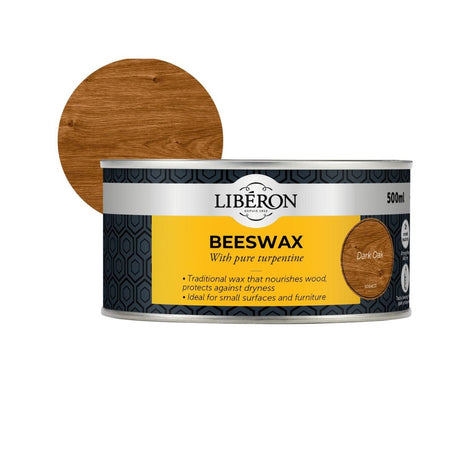
- Briwax Beeswax or Liberon Liquid Pure Beeswax with Turpentine: The turpentine in these products absorbs into the wood grain, bringing up its colour and pattern. To use, apply the beeswax to the marked area of wood. After a few hours, buff the beeswax. The wood should have developed a fantastic, deep lustre. Aside from effectively removing water marks, these products have the added benefit of smelling incredible.
- Liberon Burnishing Cream: Liberon Burnishing Cream should be used on highly polished surfaces after Liberon Ring Remover has failed to remove the water mark. As a strong mixture of oil and abrasive, we recommend trying this product on an inconspicuous area of the wood before applying to the mark; the cream can significantly intensify the colour of the grain which might not be to everyone’s taste.
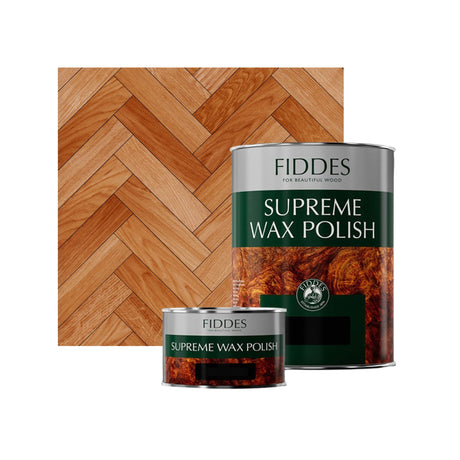
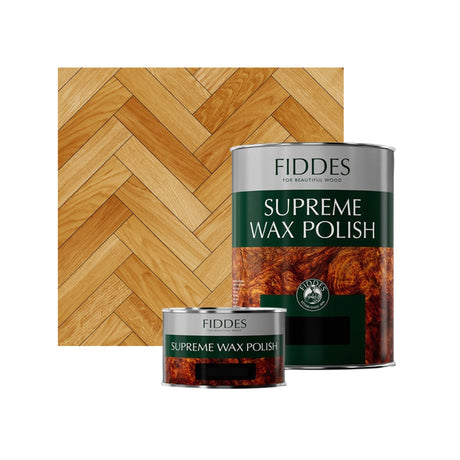
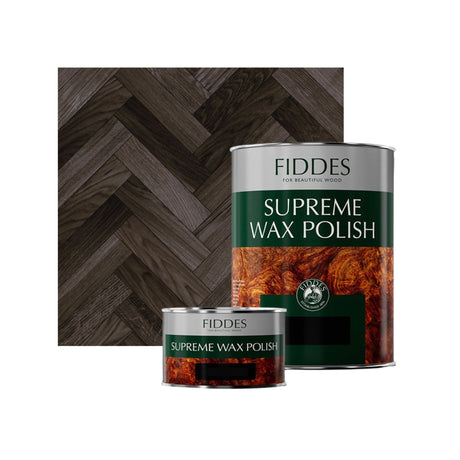
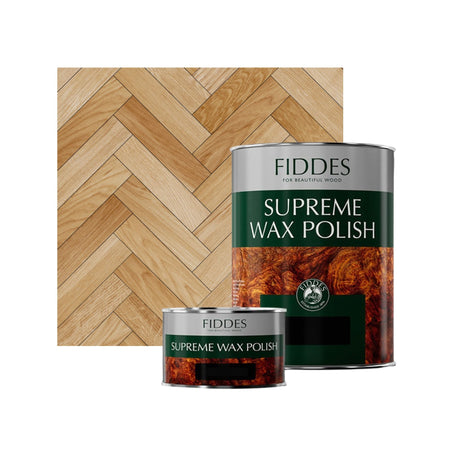
After these products have successfully removed the water mark, make sure to apply a wax polish to revive the surface sheen to the desired level. Aside from improving the appearance of the wood, this wax polish helps to protect it from developing water marks in the future.
The main solvent used in these products is turpentine, a type of refined pine tree sap. Thanks to its natural origins, this solvent is completely safe to use and has played a vital part in wood restoration for centuries.
Finally, these products can be used for multiple purposes; the oil in them revives the colour of faded wood meaning they can be used to restore partially faded antiques.
How can you prevent water marks?
As with so many things, water mark prevention is better than the cure. Here are our top tips for preventing water marks from occurring in your home.
- Use coasters and placemats: These act as a barrier, preventing moisture from coming into contact with, and marking, your wooden surface. There are some very attractive coasters out there, and in our opinion the humble cork coaster suits all settings.
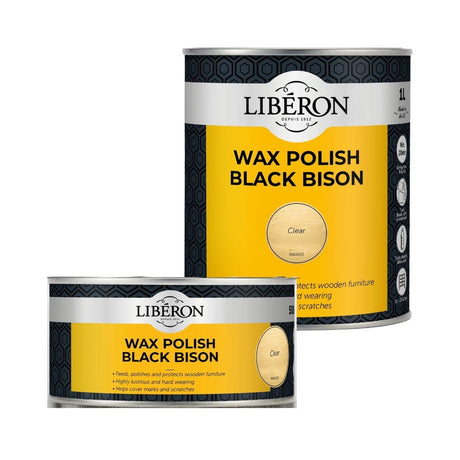
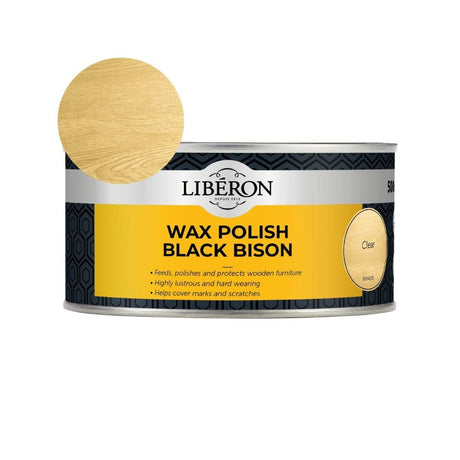
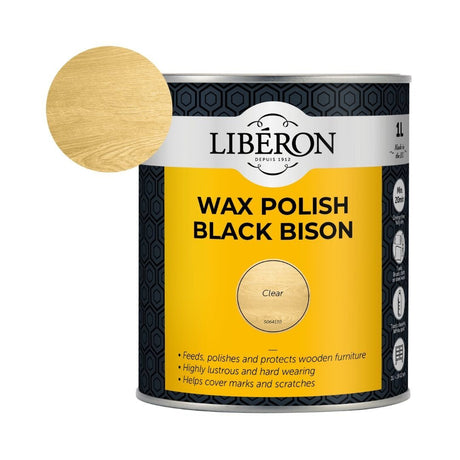
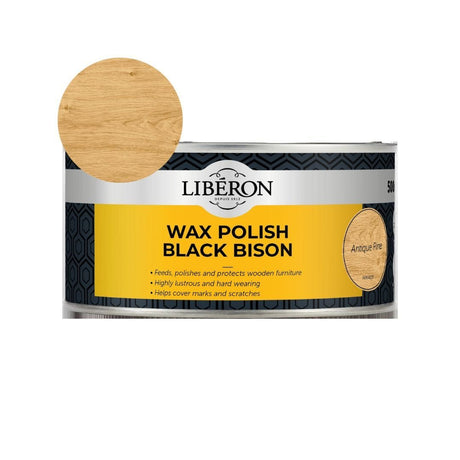
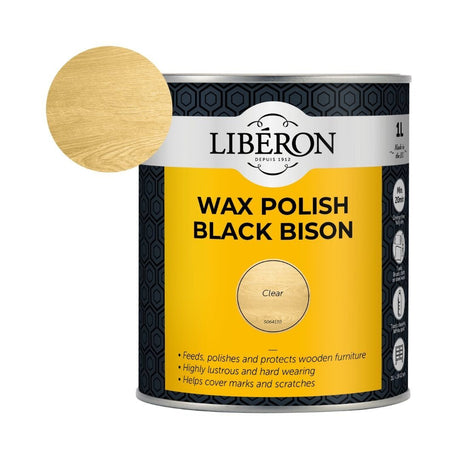
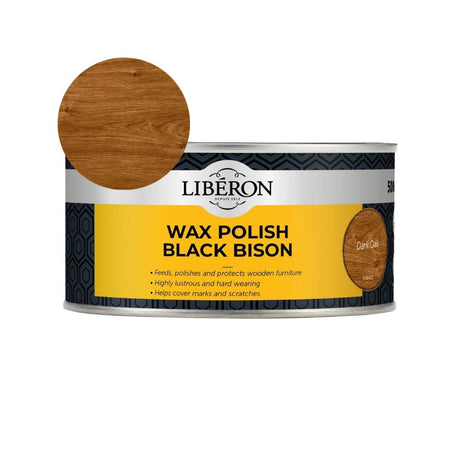
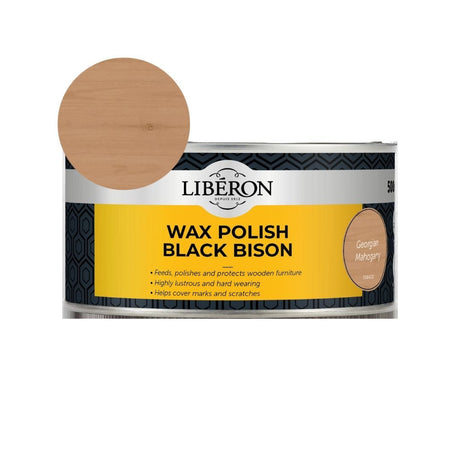
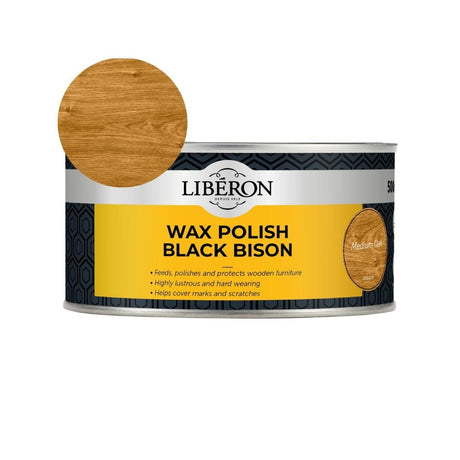
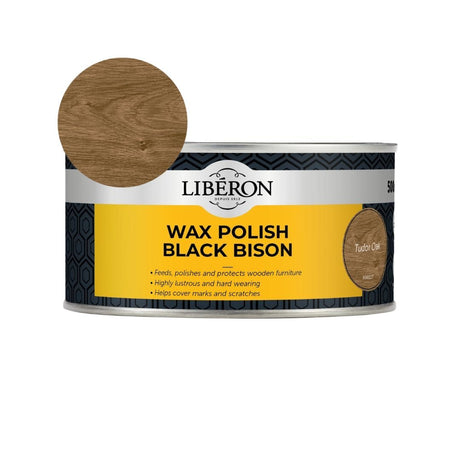
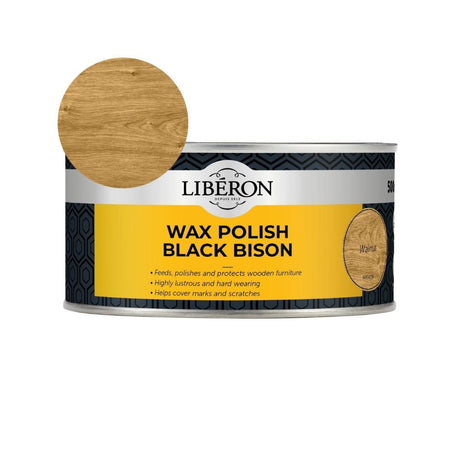
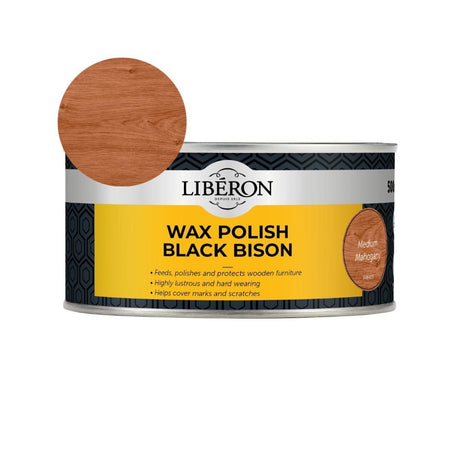
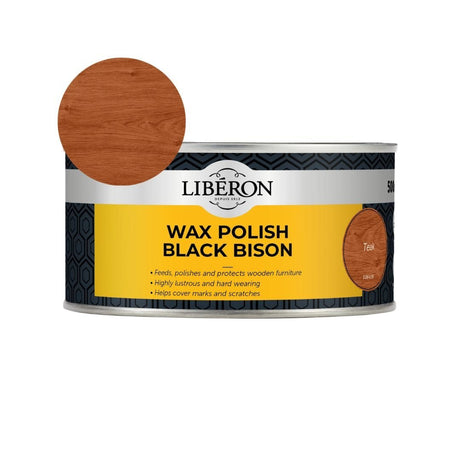
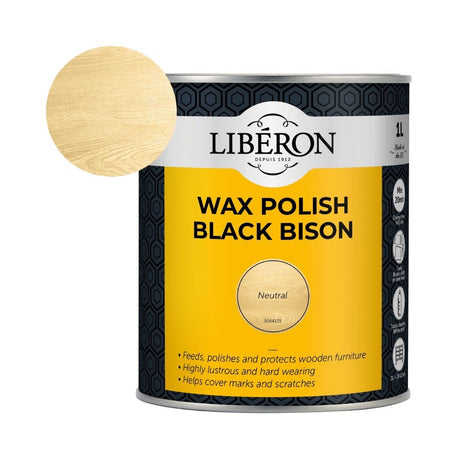
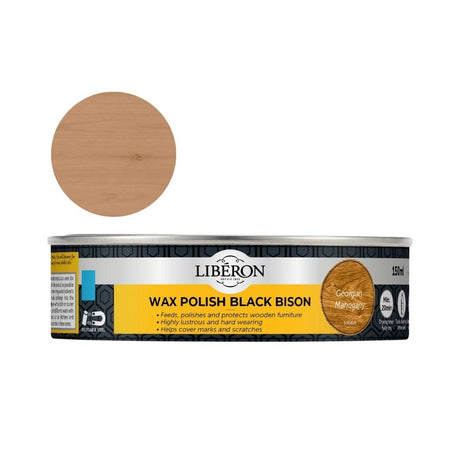
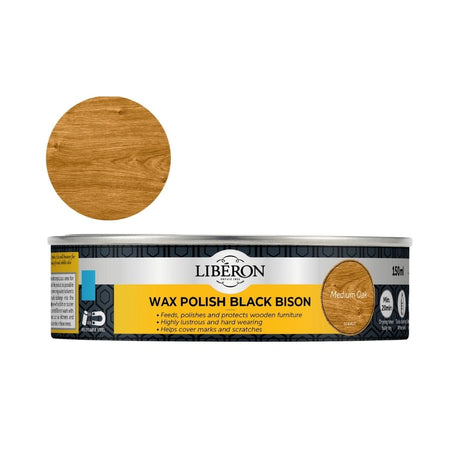
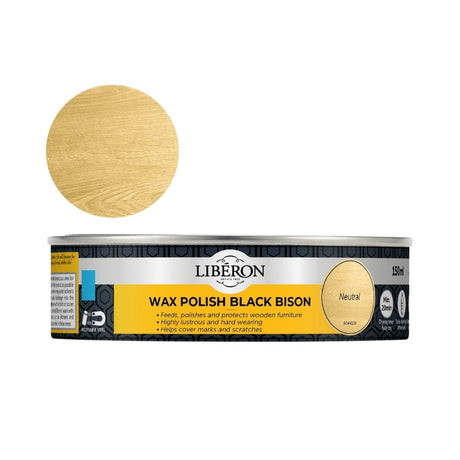
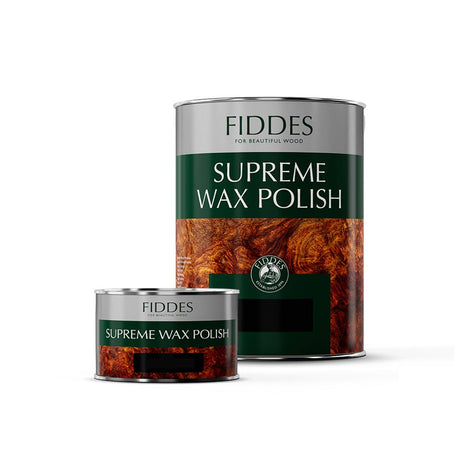
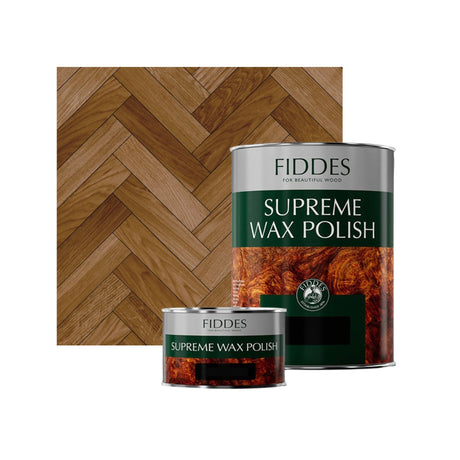
- Clean up any spills: If any liquid is spilt, immediately dab the surface dry. This prevents moisture from being absorbed by the finish or underlying wood. To further protect the recently dried surface, give it a light polish using Fiddes Supreme Wax or Liberon Black Bison Wax Polish.
- Use specialist cleaners on wood surfaces: Products like Fiddes Wood Surface Cleaner are anti-bacterial sprays that have been designed to not strip the wood finish, but replenish it. If you don’t have access to these sprays, only use a very lightly dampened cloth to clean wood surfaces.
- Prime the wood: When applying a hard wax oil, particularly in bathrooms or around kitchen sinks, prime wooden surfaces with products like Osmo Wood Protector Basecoat which act as an excellent barrier to moisture.
- Use glass tops: If you have an antique dressing table, consider investing in a glass top to shield the wood from any makeup or perfume overspray.
 Conclusion
While it’s always better to prevent water marks from occurring in the first place, with the right equipment and techniques, white water marks should be easy, cheap and safe to remove from nearly all wood surfaces. When it comes to dark water marks, particularly on antiques, we encourage you to embrace the blemishes as part of the piece’s well-lived character. Remember, even the most experienced professional will struggle to remove these types of water marks without affecting the item’s overall patina.
If you have any further questions or are still having trouble shifting a water mark, please don’t hesitate to contact us on info@restorate.co.uk. Send us some photos and we’ll be happy to give you tailored advice.




1 comment
This is a great article, thanks. I was always dubious about those ‘home remedies’ on the internet. Great to read your reasons on why to avoid them. Very helpful indeed.